

There’s no single best pickleball brace — the right one depends entirely on where you’re hurting. Knee, ankle, elbow, and wrist all need different types of support, and severity matters just as much as location.
This guide covers each injury zone with a focused pick, built for pickleball players at every level. Find what hurts, go to that section, and get back on the court.
Best Overall Knee Brace

Quick Take
Solid everyday knee support that doesn’t quit mid-match. Stays in place, breathes well, and gives you enough confidence to move aggressively. It’s the kind of brace you forget you’re wearing — until you actually need it.
Key Specs
- Medical-grade compression fabric
- Non-slip silicone grips
- Breathable moisture-wicking material
- Available in 5 sizes (S-XXL)
- 2-pack provides excellent value
| ✅ Pros | ❌ Cons |
|---|---|
| Stays put during play | Sizing runs small |
| Thin, hides under pants | Feels tight at first |
Best For
Players dealing with everyday knee soreness, patellar tendonitis, or mild arthritis who want reliable support for both casual and competitive play. Great if you’re active enough to need backup pairs on rotation.
Best Value Knee Brace

Quick Take
Gets the job done for casual play without any fuss. The compression is surprisingly decent, and it’s lightweight enough that you barely notice it. Just don’t expect it to last forever — it’s a solid starter option, not a long-term keeper.
Key Specs
- 4-way stretch compression fabric
- Anti-slip wave design
- Breathable knit technology
- Multiple size options
| ✅ Pros | ❌ Cons |
|---|---|
| Lightweight, barely noticeable | Wears out after a few months |
| Two braces per pack | Grip weakens over time |
Best For
Beginners figuring out if knee support is right for them, or anyone needing a reliable backup pair. Works well for light to moderate activity — not the best choice for intense daily play.
Best Heavy-Duty Knee Brace

Quick Take
This is the real deal for serious knee problems. The adjustable straps and side stabilizers make a noticeable difference if you’ve had surgery or ligament trouble. It’s bulkier, yeah — but that’s kind of the point.
Key Specs
- 4-way adjustable straps for custom fit
- Dual side stabilizers for lateral support
- Open patella design
- Medical-grade materials
- Available in 4 sizes
| ✅ Pros | ❌ Cons |
|---|---|
| Grips tight on curved edges | Must be covered after applying |
| Pre-cut, no measuring needed | Limited placement flexibility |
Best For
Anyone recovering from a meniscus tear, ACL/MCL injury, or living with serious arthritis who still wants to stay active. If your knee genuinely needs mechanical support — not just compression — this is your brace.
Best Ankle Brace

Quick Take
Mueller’s been in sports medicine forever, and this ankle brace earns that reputation. The crisscross straps actually lock your ankle down during lateral cuts. Solid support, no fuss — just strap in and play.
Key Specs
- Crisscross adjustable straps for custom fit
- Reinforced side stays for stability
- Extended heel support
- Breathable fabric construction
- One size fits most (universal sizing)
| ✅ Pros | ❌ Cons |
|---|---|
| Locks down ankle on cuts | May not fit very small ankles |
| Fully adjustable fit | Straps take time to learn |
Best For
Players who roll their ankles, are coming back from a sprain, or just want solid prevention during fast lateral movements. Also great for anyone who finds basic compression socks aren’t quite enough.
Best Tennis Elbow Brace
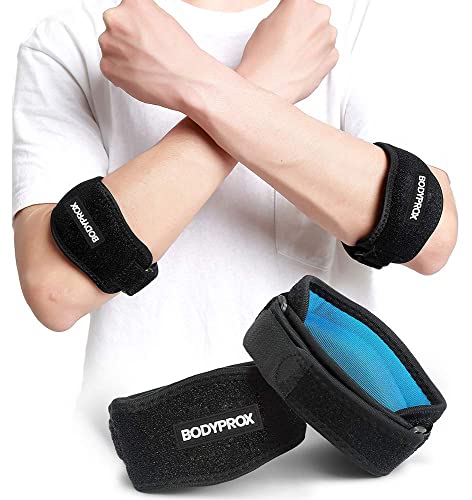
Quick Take
Two compression pads work better than one — that’s the whole pitch here, and it delivers. Targets the exact spot where tennis elbow hurts, stays put during overhead smashes, and doesn’t get in the way.
Key Specs
- Dual gel compression pads
- Adjustable Velcro strap
- Breathable neoprene-free fabric
- 2-pack value
- Universal fit (adjusts 9″-14″)
| ✅ Pros | ❌ Cons |
|---|---|
| Dual pads hit the pain spot | Velcro snags on clothing |
| Fits arms of all sizes | Loses compression over time |
Best For
Anyone with outside elbow pain, forearm tenderness, or diagnosed tennis elbow from all those repetitive dinks and drives. Especially useful if a single-pad brace hasn’t been cutting it — the dual setup changes things.
Best Wrist Brace

Quick Take
Lightweight and adjustable, so you can dial it up or down depending on how your wrist feels that day. Won’t help with severe carpal tunnel, but for mild aching and daily prevention, it does the job quietly.
Key Specs
- Adjustable compression wrap design
- Breathable elastic fabric
- Fits both wrists
- 2-pack value
- Universal sizing
| ✅ Pros | ❌ Cons |
|---|---|
| Won’t affect paddle grip | Weak support for severe pain |
| Adjustable for all activities | Needs readjusting mid-session |
Best For
Players with mild wrist soreness or carpal tunnel symptoms who want support without losing paddle feel. Also solid for prevention if your wrists fatigue during long sessions or you’ve had wrist issues before.
Prevention vs Recovery
Stay Ahead
The difference between players still competing at 70 and those watching from the sidelines? Prevention. Compression support reduces injury risk by 20–30%. The gentle pressure sharpens your body’s joint awareness, helping muscles react faster to awkward movements before they become real injuries.
Active Recovery
Recovery braces work differently. Hinged designs stabilize ligaments while they heal. Counterforce straps redirect tendon stress during elbow recovery. Unloader braces shift weight away from arthritic surfaces. The right choice depends entirely on whether you’re preventing problems or managing ones you already have.
Buying Guide
Injury History
Previous surgery demands different support than general soreness. Match the brace to the issue — compression for swelling and mild pain, hinged for instability, unloader for arthritis. Don’t guess.
Play Frequency
Weekend players can get away with simpler options. Daily players need better build quality — compression integrity that holds up through hundreds of hours of use, not just a few sessions.
Climate Matters
Hot courts make breathability non-negotiable. Look for mesh panels and ventilation if you play in heat. Indoor climate-controlled play gives you more flexibility.
Proper Fit
Loose braces slide and do nothing. Too tight cuts circulation. Measure against the manufacturer’s sizing chart before ordering — most brands have one online.
Brace Types
Compression Sleeves
Graduated pressure reduces swelling and improves blood flow. Best for mild to moderate issues, prevention, and conditions like tendonitis or arthritis. They support without restricting movement — which is why most players start here.
Hinged Braces
Built for mechanical stability. Side stabilizers limit dangerous lateral movement to protect healing ligaments. Choose hinged after serious injuries — ACL tears, severe instability, anything that needs real structural support rather than just compression.
The tradeoff is always support versus mobility. Compression keeps you moving freely. Hinged keeps you from moving wrong. Tournament players lean compression. Recovery players need hinged.
Common Mistakes
After Play
Don’t pull the brace off the second the game ends. Post-session compression reduces inflammation and speeds recovery. Wear it 1–2 hours after play — it matters more than most people realize.
Expecting Miracles
Braces reduce pain and cut injury risk. They’re tools, not cures. They work alongside proper technique, conditioning, and rest — not instead of them.
Ignoring Pain
Braces manage symptoms well. They can’t heal serious injuries. Sharp pain that outlasts normal soreness needs medical attention, not another compression sleeve.
Final Verdict
The right brace isn’t about hype or a long features list — it’s about matching the right support to the right problem. Get that right and a brace genuinely changes how you move on the court. Get it wrong and it’s just extra gear. Know what hurts and go from there.
FAQs
How long should I wear a brace each day?
During play is the obvious time, but post-session wear matters just as much. One to two hours after a game helps reduce inflammation and speeds recovery. Some players wear compression overnight for chronic issues.
Can wearing braces weaken your joints over time?
Only if you use them as a substitute for strengthening. Braces work best alongside exercise, not instead of it. Rely on them exclusively too long and the surrounding muscles can lose conditioning.
How soon will I feel relief from a brace?
Most people notice a difference within the first session. Swelling reduction and improved joint awareness happen quickly. Long-term benefits like reduced inflammation and better movement patterns build over days and weeks.
Should I see a doctor before using a brace?
For general soreness and prevention, no. But if you’ve had surgery, a recent injury, or sharp unexplained pain, get a diagnosis first. A brace can mask symptoms that actually need medical attention.
Is it okay to wear braces on both sides?
Absolutely. If both knees or wrists are sore, wearing support on each side makes total sense. Just make sure both are fitted correctly — one poorly fitted brace can actually change how you move.
How tight should a brace actually be?
Firm enough to feel supported, but you should still be able to slide two fingers underneath. If your skin goes numb, tingles, or you see discoloration, it’s too tight. Loosen it immediately.