

Những cây vợt pickleball tốt nhất cho cảm xúc và tinh tế — nó xử lý trò chơi nhẹ nhàng mà không mất khả năng kết thúc điểm. Hướng dẫn này bao gồm ba cây vợt ở các mức ngân sách và cao cấp cho người chơi trung cấp đến nâng cao.
Dù bạn là người chơi đôi tập trung vào khu vực kitchen hay muốn một cây vợt đa năng, ở đây có câu trả lời rõ ràng.
Top 3 Cây Vợt
| Vợt | Thể loại | Phù hợp cho | Sức mạnh | Giá |
|---|---|---|---|---|
| Loco | Tốt nhất | Nâng cao | Toàn sân | $$ |
| J2FC+ | Nhì | Người chơi kiểm soát | Dễ chịu | $$ |
| Pegasus | Lựa Chọn Ngân Sách | Người mới bắt đầu | Kiểm soát | $ |
Tốt nhất
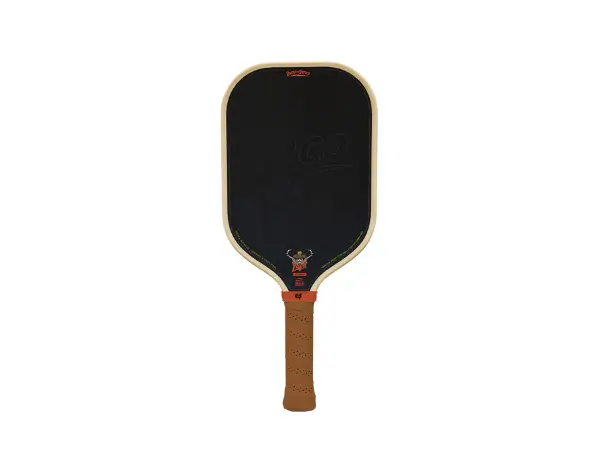
Tóm tắt nhanh
Sức mạnh lớn, tầm với mở rộng, và cảm giác chắc, mạnh mẽ khiến bạn biết khi đã bắt sạch. Nó nặng hơn, vì vậy tay nhanh ở lưới không phải là điểm mạnh của nó. Cây vợt này được thiết kế để tấn công.
Thông số chính
- Lõi: 16mm full foam
- Mặt: Sợi carbon thô
- Trọng lượng: 8.0-8.2 oz
- Hình dạng: Hybrid
- Cán: 5.5″
| ✅ Ưu điểm | ❌ Nhược điểm |
|---|---|
| Xử lý các cú mạnh và cú chạm | Trọng lượng nặng hơn làm chậm tốc độ tay |
| Tầm với mở rộng giúp ở lưới | Được thiết kế tấn công hơn là phòng thủ |
Phù hợp cho
Người chơi trung cấp-nâng cao tìm vợt đa năng cân bằng kiểm soát và sức mạnh. Muốn một cây vợt đáp ứng mọi, xuất sắc trong trò nhẹ mà không giảm tốc độ khi cần.
Thứ Nhì
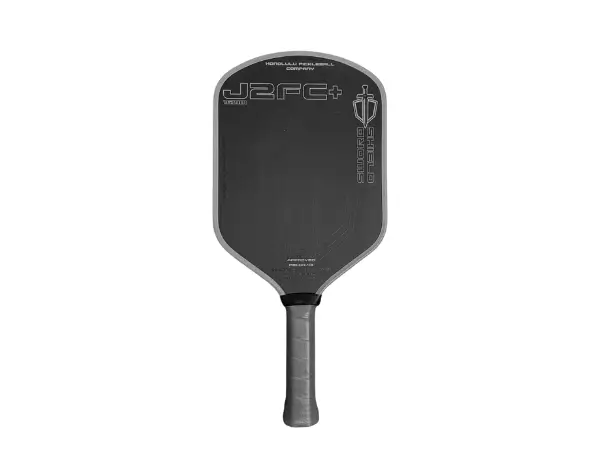
Tóm tắt nhanh
Cảm giác mềm mại khi tiếp xúc, tha thứ cho nhiều cú đánh lệch. Tuyệt vời cho trò chơi kiểm soát, tinh tế. Không dành cho những cú thắng mạnh mẽ — nhưng nếu bạn thực hiện dink, reset và drop tốt, nó thực sự khó bỏ.
Thông số chính
- Lõi: 16mm bọt nhiệt
- Mặt: Sợi carbon thô với kết cấu cao cấp
- Trọng lượng: 8.0-8.3 oz
- Hình dạng: Elongated
- Cán: 5.5″
| ✅ Ưu điểm | ❌ Nhược điểm |
|---|---|
| Khoan dung khi đánh lệch trung tâm | Yếu khi cần hoàn thành |
| Cú đánh mềm cảm giác tự nhiên, dễ dàng | Phần nặng trong dải trọng |
Phù hợp cho
Người chơi cảm giác, thường xuyên vào khu vực kitchen, và bất kỳ ai có nhạy cảm cánh tay hoặc khuỷu tay. Nếu bạn thắng bằng kiên nhẫn và chính xác hơn là dùng sức mạnh, cây vợt này phù hợp với phong cách của bạn. Cũng là lựa chọn mạnh cho những người lần đầu nâng cấp lên thiết bị hiệu suất cao.
Lựa Chọn Ngân Sách

Tóm tắt nhanh
Mềm mại, khoan dung và bất ngờ xoáy. Dinks và drops nhẹ nhàng, lỗi đánh vẫn tiếp tục, và bạn thực sự có thể điều khiển bóng. Không dành cho người đánh mạnh — nhưng cho ai muốn thắng điểm bằng kiểm soát, nó hoạt động.
Thông số chính
- Lõi: 20mm polymer honeycomb
- Mặt: Sợi carbon thô
- Trọng lượng: 8.0-8.3 oz
- Hình dạng: Widebody
- Cán: 5.75″
| ✅ Ưu điểm | ❌ Nhược điểm |
|---|---|
| Xoáy hơn bạn mong đợi | Tay cầm ngắn hạn chế tầm với |
| Khoan dung khi đánh lệch | Thiếu độ bật cho người chơi mạnh |
Phù hợp cho
Những người chơi coi trọng độ chính xác hơn sức mạnh — người mới bắt đầu xây dựng thói quen tốt, người trung cấp muốn sự ổn định, và các cặp đôi sống ở khu vực kitchen. Nếu lối chơi của bạn tập trung vào vị trí và cảm xúc hơn là phá hủy thắng lợi, thì đây là lựa chọn hoàn hảo.
Các đề mục đáng chú ý
Cái Diadem Edge 18K mang lại cấu trúc cao cấp với cảm giác chạm tuyệt vời và độ mềm như bơ. Lựa chọn xuất sắc nếu ngân sách isn’t là mối quan tâm chính của bạn.
Cái Vatic Pro PRISM Flash 16mm cạnh tranh trực tiếp với Jelly Bean để đạt xuất sắc dưới $100— cảm giác mềm mại, hiệu suất toàn diện vững chắc, giá trị tuyệt vời.
Thông số vợt
| Vợt | Thể loại | Hình dạng | Trọng lượng | Lõi | Mặt | Công suất | Kiểm soát | Xoáy | Vùng sweet spot | Giá |
|---|---|---|---|---|---|---|---|---|---|---|
| Loco | Tốt nhất | Dài | 8.0-8.2 oz | 16mm | CFC Layup | Cao | Trung‑Cao | Cao | Trung bình | $$ |
| J2FC+ | Nhì | Hybrid | 8.0-8.3 Oz | 16mm | Sợi carbon | Trung bình | Cao | Cao | Rất lớn | $$ |
| Pegasus | Lựa Chọn Ngân Sách | Thân rộng | 8.0-8.3 Oz | 16mm | Bề mặt CFC | Trung bình | Cao | Cao | Lớn | $ |
Hướng dẫn mua sắm
Độ dày lõi
Lõi dày hơn hấp thụ năng lượng bóng tốt hơn, giúp kiểm soát. Lõi 16mm cân bằng cảm giác và sức mạnh. Lõi 20mm mang lại độ mềm tối đa nhưng giảm độ bật. Người cần sức mạnh nên chọn lõi 14mm.
Vật liệu mặt
Sợi carbon nguyên chất cho độ bám bóng và tạo xoáy vượt trội. Bề mặt có kết cấu giúp định hình cú đánh dễ dàng. Hạt nhám mạnh tạo chuyển động bóng tự nhiên trên dinks và drops.
Kiểu cấu trúc
Vợt thermoform cung cấp độ bền và ổn định theo thời gian. Cấu trúc truyền thống ban đầu mềm hơn nhưng có thể hỏng nhanh hơn. Cả hai kiểu đều hoạt động—chọn dựa trên sở thích tuổi thọ.
Phân bố trọng lượng
Vợt nhẹ hơn tăng khả năng di chuyển ở lưới. Các lựa chọn nặng hơn tăng ổn định và giảm rung. Thử các trọng lượng khác nhau để phù hợp với tốc độ vung và nhu cầu kiểm soát.
Sai lầm
Ưu tiên chỉ độ mềm sẽ làm mất khả năng kết điểm. Bạn cần sức mạnh cân bằng để kết thúc các pha giao bóng hiệu quả.
Cho rằng giá bằng hiệu suất sẽ gây hiểu lầm cho người mua. Vợt giá rẻ thường sánh bằng các mẫu đắt tiền cho người chơi chú trọng kiểm soát.
Sao chép lựa chọn của người chơi chuyên nghiệp bỏ qua sự khác biệt về trình độ. Các vận động viên chuyên nghiệp có kỹ thuật tinh vi, đòi hỏi đặc tính vợt khác so với người chơi giải trí.
Bỏ qua thời gian làm ấm tạo ấn tượng sai lầm. Nhiều cây vợt cần vài giờ chơi để đạt hiệu suất tối ưu.
Kết luận cuối cùng
Cái Bread & Butter Loco là người chiến thắng rõ ràng — nó’s là cây vợt duy nhất ở đây có thể chơi trọn vẹn mà không buộc bạn phải đổi kiểm soát lấy sức mạnh. Cái Jelly Bean cung cấp vượt trội so với giá nếu bạn’re là người chơi ưu tiên đặt vị trí. Dù sao, một trò chơi mềm mại tốt hơn bắt đầu với một cây vợt thực sự hợp tác. Hãy chọn cây phù hợp với cách bạn đã chơi.
Câu hỏi thường gặp
Cân nặng vợt ảnh hưởng thế nào tới cú chạm?
Ván nhẹ (dưới 7.8oz) cho tay nhanh hơn và dễ điều khiển hơn cho các cú đánh nhẹ. Ván nặng hơn cung cấp độ ổn định cao hơn và khả năng xuyên qua khi chặn nhưng đòi hỏi kiểm soát cổ tay tốt hơn. Hầu hết ván kiểm soát nằm trong khoảng 7.8-8.2oz để có cảm giác cân bằng và ổn định.
Ván kiểm soát có mất cảm giác theo thời gian không?
Có, mọi vợt đều sẽ hao mòn theo thời gian. Kết cấu bề mặt mòn, giảm khả năng xoáy. Độ nén lõi thay đổi cảm giác chạm. Vợt thermoform duy trì hiệu suất lâu hơn so với cấu trúc truyền thống, thường kéo dài 6‑12 tháng chơi mạnh so với 3‑6 tháng cho vợt tiêu chuẩn.
Sự khác biệt giữa cảm giác mềm mại và nhão là gì?
Bề mặt mềm mịn cảm giác êm nhưng đáp ứng—vợt giảm va chạm đồng thời giữ phản hồi và kiểm soát bóng. Bề mặt nhão cảm giác chết và không đáp ứng—bạn mất cảm giác và không thể’ cảm nhận bóng đúng. Lõi bọt chất lượng mềm mịn; lõi rẻ nhão và không đồng nhất.
Vợt dài có tốt cho người chơi cảm giác không?
Chúng có thể, nhưng có một sự đánh đổi. Hình dạng dài cung cấp tầm với và lợi thế lớn hơn nhưng thường có vùng ngọt nhỏ hơn. J2FC+ thành công vì cân bằng tầm với dài với độ tha thứ đủ cho lối chơi kiểm soát, mặc dù các hình dạng truyền thống vẫn dễ dàng hơn cho kỹ thuật tinh tế.
Kích thước vùng ngọt quan trọng như thế nào đối với kiểm soát?
Rất quan trọng. Vùng ngọt lớn tha thứ cho cú đánh lệch, giữ kiểm soát ngay cả khi tiếp xúc không hoàn hảo. Các mẫu rộng như Jelly Bean cung cấp vùng ngọt khổng lồ, lý tưởng cho người mới. Người chơi cao cấp có thể dùng vùng ngọt nhỏ hơn để đạt lợi ích hiệu suất chuyên biệt.
Cách tốt nhất để kiểm tra cảm giác vợt là gì?
Hãy thử các pha dinking kéo dài và cú drop shot trong buổi demo. Chú ý mức độ bạn có thể làm mềm volley và cảm giác kết nối với bóng. Nếu bạn luôn đánh quá mạnh hoặc vợt cảm thấy không liên kết, nó sẽ không cung cấp độ cảm xúc cần thiết.
Loco có phù hợp với người chơi backhand hai tay không?
Cán 5.5 inch có thể dùng cho cú backhand hai tay, nhưng nó không ’ lý tưởng. Người chơi dựa nhiều vào hai tay có thể muốn tay cầm dài hơn để kiểm soát và tiếp cận bóng rộng tốt hơn.
J2FC+ phù hợp hơn cho trận đơn hay đôi?
Cảm giác mềm mại và khả năng reset khiến nó là vợt đôi tự nhiên. Trận đơn đòi tốc độ, vì vậy người chơi tấn công có thể cảm thấy hạn chế khi cần đẩy đối thủ lùi lại.
Cán ngắn có làm khó các cú đánh rộng không?
Có, tay cầm 4,25 inch giảm đáng kể lực đòn trên các quả bóng rộng và cú đánh kéo dài. Những người chơi có cú vung dài hơn, hoặc thường trượt tay cầm, sẽ cảm nhận hạn chế này nhất.