

The best pickleball
This guide is for solo players trying to match a
Best Overall Rebounder

Quick Take
If you want one
Key Features
- 6ft × 6ft practice surface
- Adjustable angles for varied shot types
- Removable strip marks the 7ft kitchen line
| ✅ Pros | ❌ Cons |
|---|---|
| Big practice area | Needs more room |
| Good shot variety | Not very grab-and-go |
Best For
Players who want one solid
Runner-Up

Quick Take
This one works well if you want a
Key Features
- 3 training modes in one unit
- Tool-free setup in 5–10 minutes
- Foldable for indoor and outdoor use
- Works for solo practice or partner drills
| ✅ Pros | ❌ Cons |
|---|---|
| Grows with your game | Less room to move |
| Quick setup | Bounce feels less true |
Best For
Newer players or anyone who wants one
Budget Pick

Quick Take
Simple, light, and easy to stash away. It’s better as a casual practice helper than a serious long-term trainer, but it covers the basics and gives you a little more flexibility than a one-note
Key Features
- 6ft × 6ft
rebounder surface - Includes a 6ft wide, 34in standalone mini net
- Weighs ~13.4 lbs for easy transport
- 2-in-1 design:
rebounder board plus net in one kit
| ✅ Pros | ❌ Cons |
|---|---|
| Easy to move | Not for hard hitters |
| Doubles as mini net | Lower training ceiling |
Best For
Beginners, casual players, or anyone who wants light solo practice without a bigger setup. Good fit if space is tight and you like gear that can do more than one job.
Best Portable Rebounder
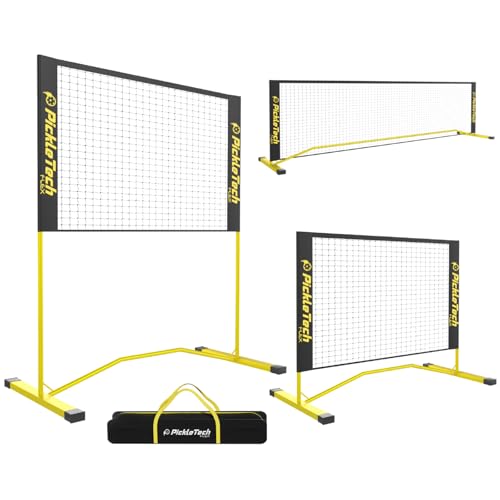
Quick Take
Handy if space is limited or you want something the whole family can use. The flexible setup is the real draw — just know it leans more toward convenience and variety than a higher-end practice feel.
Key Features
- Expands from 4ft (solo) to 10ft (doubles)
- Regulation 36in net height, fully adjustable
- Weighs ~15.4 lbs with carry bag included
- No-tools setup
| ✅ Pros | ❌ Cons |
|---|---|
| Stores small | Small rebound area |
| Flexible setup | Less realistic feel |
Best For
Families, mixed-skill households, and players who need a setup they can change fast. Also good if you want to practice in a smaller space without committing a full area year-round.
Best Rebounder for Advanced Players
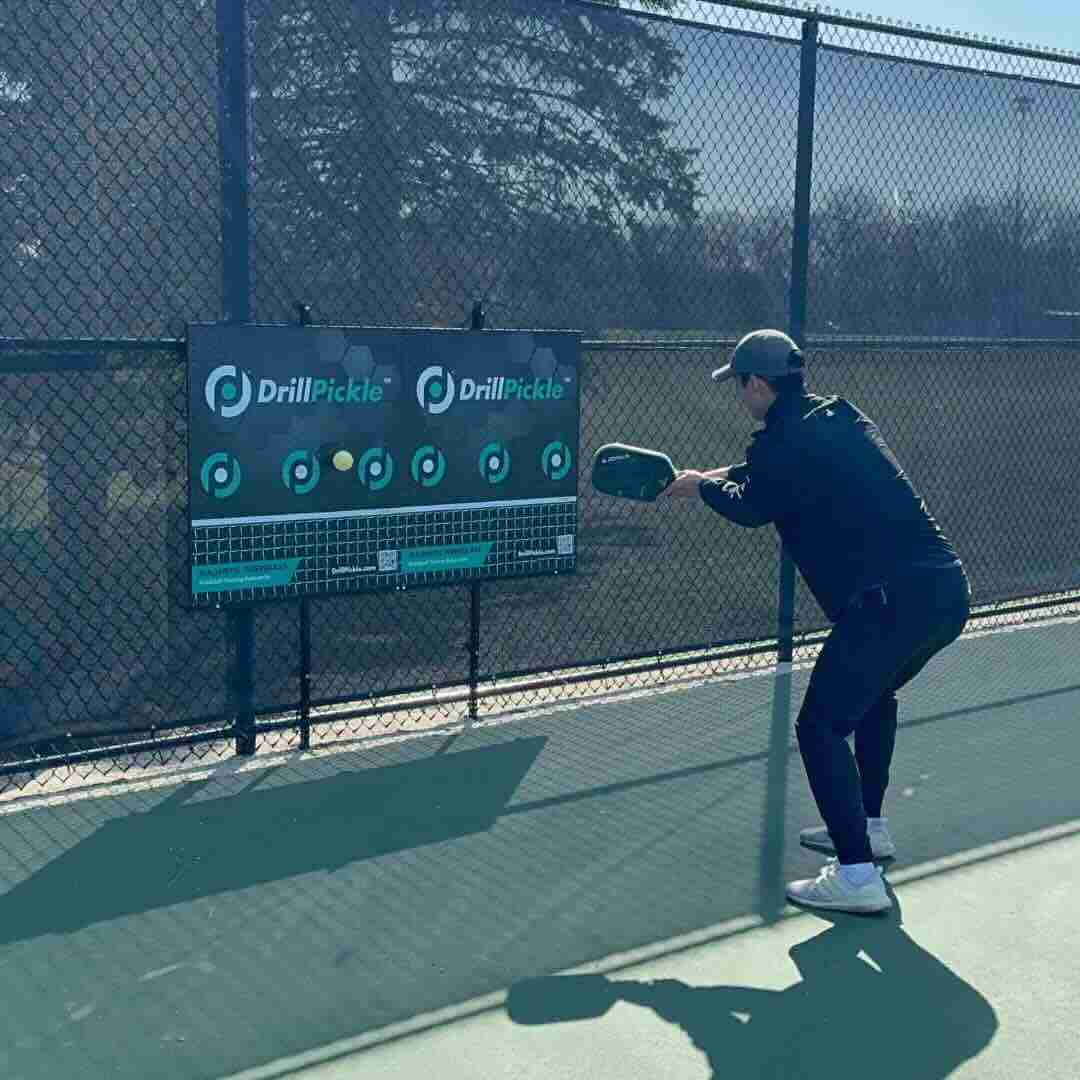
Quick Take
This is the serious option. It makes the most sense for heavy practice and players who want a sturdier, more dependable setup that won’t flinch when the pace picks up.
Key Features
- 72in × 72in (6ft × 6ft) hitting surface
- ~54 lbs powder-coated steel frame with caster wheels
- Fence-mounted or mobile on wheels — your choice
- Modular design, add panels to expand the hitting area
| ✅ Pros | ❌ Cons |
|---|---|
| Very steady return | Takes up space |
| Built for heavy use | Overkill for most |
Best For
Competitive players, coaches, clubs, or anyone building a dedicated practice space. Best when you care more about training quality and long-term staying power than saving room.
Buying Guide
Skill Level
Beginners need forgiving bounce characteristics and basic adjustability. Start with entry-level models that develop fundamental stroke mechanics without overwhelming features.
Intermediate players benefit from adjustable angles and larger surfaces. Look for equipment that challenges consistency and accuracy while accommodating different shot types.
Advanced players require professional-grade construction that handles power shots and provides game-speed returns. Consider commercial options with enhanced durability features.
Size Considerations
Standard 6×6-foot models provide the most versatile training surface. They accommodate cross-court shots and lateral movement drills effectively.
Compact 4-foot options work for limited spaces and focused technique work. They’re ideal for dink practice and touch shot development.
Portability Needs
Foldable designs with carrying bags suit players who practice at multiple locations. Look for lightweight frames that don’t sacrifice stability.
Permanent setups allow heavier, more durable construction. These work best for dedicated training spaces with weather protection.
Budget Planning
Entry-level models under $100 provide basic functionality for casual players. Expect adequate durability for occasional use.
Mid-range options ($100-200) offer the best value for regular training. These include adjustable features and quality construction.
Premium models above $200 deliver commercial-grade performance and extended lifespan for serious athletes.
Mistakes
Wrong Size
Players often buy too small for their skill level. A 4-foot model limits stroke variety and movement patterns. Choose larger surfaces unless space absolutely restricts it.
Angle Adjustment
Fixed-angle rebounders limit practice variety. Adjustable systems let you work on lobs, volleys, and drives with one piece of equipment.
Final Verdict
The Net Playz 6×6 Pickleball
FAQs
Can I use a rebounder on uneven surfaces?
Most rebounders need flat, stable ground for consistent bounces. Uneven surfaces cause wobbling and unpredictable returns. Consider adding a plywood base or leveling your practice area before setup to ensure safety and effectiveness.
Do rebounders help improve reaction time?
Definitely! Rebounders provide rapid-fire returns that force split-second decisions and quick reflexes. Set at steeper angles, they simulate fast volleys that significantly improve your reaction speed and court readiness over consistent practice sessions.
Will neighbors complain about rebounder noise?
Potentially. Balls hitting the gound repeatedly create noticeable sound. Practice during reasonable hours or use quieter foam balls occasionally.
How much space do I really need?
Minimum 15×15 feet for safe practice with smaller rebounders, 20×20 feet for larger 6×6 models. Factor in space behind you for backswing and lateral movement. Indoor garages need higher ceilings, at least 9-10 feet clearance.
How do I anchor a rebounder on concrete or asphalt?
Use weighted sandbags, water-filled bases, or heavy rubber mats to stabilize your
