

The best pickleball paddles for beginners are forgiving, control-first models that make clean contact easier and help you build good habits faster.
This guide is for new players choosing a first real paddle, with five clear picks based on what matters most early on: comfort, confidence, and room to grow. It keeps the focus on useful differences, not marketing fluff.
Best Paddle Overall
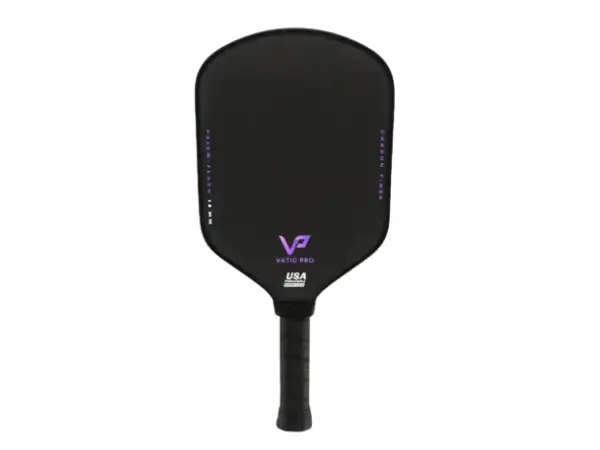
Quick Take
The safest all-around pick for most beginners. It feels steady, forgiving, and easy to trust, so you can focus on learning instead of fighting your paddle.
Key Specs
Weight: 7.8-8.2 oz
Core: 16mm polymer core
Face: Raw carbon face
Handle: 5.3″
Shape: Hybrid
| ✅ Pros | ❌ Cons |
|---|---|
| Forgiving on mishits | Needs regular cleaning |
| Easy to grow into | Not the softest feel |
Best For
New players who want one paddle that stays friendly early on but still makes sense once their game starts getting better.
Budget Pick

Quick Take
A simple starter paddle that feels light, easy to move, and forgiving enough to learn the basics without making everything feel hard.
Key Specs
Weight: 7.6-8.0 oz
Core: Polymer core
Face: Textured fiberglass
Handle: 5.2″
Shape: Standard
| ✅ Pros | ❌ Cons |
|---|---|
| Light and easy to swing | Smaller margin for error |
| Simple to learn with | Won’t age as well |
Best For
Casual beginners who want an easy first paddle for rec games and don’t need something built for long-term progression.
Best Value Paddle

Quick Take
A firmer, more stable paddle that gives beginners room to improve. It’s not the easiest from day one, but it rewards cleaner swings and holds up well.
Key Specs
Weight: 8.3 oz
Core: 16mm polymer core
Face: Carbon fiber face
Handle: 5.5″
Shape: Elongated hybrid
| ✅ Pros | ❌ Cons |
|---|---|
| Solid, steady feel | Takes time to adjust |
| Plays the same each game | Feels a bit heavier |
Best For
Players who want a more solid feel and don’t mind a short adjustment period if it means more long-term upside.
Best Paddle for Comfort

Quick Take
This is the comfort pick. It feels softer on contact and easier on your arm, which makes longer sessions less annoying and soft shots less stressful.
Key Specs
Weight: 7.5-8.0 oz
Core: Polymer core
Face: Fiberglass face
Grip: 4.85″
Size: Standard
| ✅ Pros | ❌ Cons |
|---|---|
| Easy on your arm | Less put-away pop |
| Soft, forgiving feel | Can feel a bit muted |
Best For
Beginners who want a gentler feel, especially if their arm gets sore easily or they just want a more relaxed learning curve.
Best Paddle for Former Tennis Players

Quick Take
If you come from tennis, this one will feel familiar fast. It gives you easy depth and reach, but true beginners may need time to rein it in.
Key Specs
Weight: 8.0-8.4 oz
Core: STR Core
Face: T700 carbon face
Grip: 5.2″
Size: Elongated
| ✅ Pros | ❌ Cons |
|---|---|
| Familiar for tennis | Can feel too powerful |
| Easy depth on shots | Heavier than some want |
Best For
Former tennis players or other racquet-sport players who like a more familiar swing and don’t want a super soft, easygoing feel.
Buying Guide
Weight Range
Paddle weight controls power, control, and endurance. Target 7.6-8.3 oz—the midweight sweet spot that balances everything without exhausting your arm.
Lightweight (under 7.6 oz) offers maximum control but requires more effort for power. Heavyweight (over 8.3 oz) delivers extra momentum but causes faster fatigue.
Grip Size
Wrong grip ruins your game before you start. Too small causes death-gripping. Too large kills wrist action.
The test: Measure from your middle palm crease to ring finger tip. Most beginners need 4-4.25 inches. Between sizes? Go smaller and add overgrip.
Face Material
Carbon fiber provides superior spin and control—ideal for learning finesse. Fiberglass offers more pop but less precision.
For beginners, carbon fiber’s forgiveness accelerates improvement.
Core Type
Polymer honeycomb is industry standard—quiet, controlled, USAPA-compliant. Foam cores are durable but pricier.
Stick with polymer unless you want higher upfront investment.
Thickness Decision
This choice shapes your early experience significantly.
16mm paddles offer more control, better feel, larger sweet spot, and perfect soft game development. 14mm paddles provide extra pop but smaller margins and harder initial control.
For beginners, 16mm is almost always smarter. You’ll develop better touch—skills harder to learn than raw power.
Common Mistakes
Don’t buy the $250 pro paddle first. Your skills haven’t developed enough to benefit. Start at $70-130 and invest savings in lessons.
Don’t prioritize power over control. Control and consistency win games at every level. Power develops naturally with technique.
Don’t ignore paddle thickness. That sleek 14mm looks cool but it’s harder to control. The 16mm helps you learn faster.
Don’t choose on looks alone. Make sure that neon paddle has proper specs before falling for the design.
Final Verdict
The Vatic Pro Prism Flash is the top pick for most beginners. It feels like the most complete option: easy to learn with now, dependable as your game improves, and less likely to leave you wanting something else too soon. If you want one paddle that covers the most ground with the fewest tradeoffs, start here.
FAQs
How often should I replace my pickleball paddle?
Recreational players typically replace paddles every one to three years, while intensive players logging 12+ hours weekly may need replacement every three to six months. Replace when you notice edge guard damage, visible face cracks, or diminished spin performance from worn surface texture.
Do pickleball paddles need a break-in period?
Modern paddles don’t require physical break-in since materials are designed for immediate use. However, expect a psychological adjustment period of five to ten hours as you adapt to the paddle’s unique feel, weight distribution, and response characteristics compared to your previous paddle.
Can I use the same paddle for indoor and outdoor play?
Yes, but performance varies significantly. Outdoor balls are harder and heavier, creating more paddle stress and faster texture wear. Many experienced players prefer slightly more durable paddles outdoors while using control-focused paddles indoors where softer balls allow finer shot placement.
What’s the difference between overgrip and replacement grip?
Replacement grips are thicker, cushioned grips installed directly onto the handle for long-term use, while overgrips are thin wraps applied over existing grips for enhanced tackiness, sweat absorption, and grip size adjustment. Overgrips cost less and change every few weeks.
Should I buy a used pickleball paddle as a beginner?
Used paddles under seventy dollars can work temporarily, but buying new offers warranties, guaranteed performance standards, and longer lifespan. Carbon fiber paddles lose surface grit quickly, reducing spin capability. Used paddles may have hidden delamination or core damage affecting performance.
What does USAPA approval actually mean for beginners?
USAPA approval certifies paddles meet dimensional limits (24 inches combined length plus width), surface roughness restrictions, and core deflection standards. For recreational play, approval doesn’t matter, but tournament participation requires paddles on the official approved list checked before competition.
How can I tell if a paddle is counterfeit?
Authentic paddles feature crisp logo printing, proper weight specifications, silver reflective squares on edges, and correct handle branding. Counterfeits show blurry logos, missing authentication marks, incorrect weights, grey rectangles instead of reflective squares, and suspiciously low prices on eBay or Temu.
