

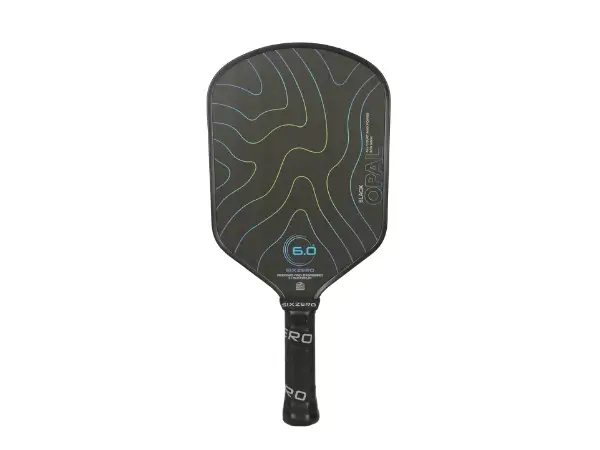
The Six Zero Black Opal is the best pickleball paddle for aggressive players who want maximum power, elite spin, and enough control to finish points at the net.
This breakdown covers three standout options across power, control, and durability — helping intermediate to advanced players match the right paddle to their real game, not just their wishlist.
Top 3 Paddles
| Paddle | Category | Best For | Strength | Price |
|---|---|---|---|---|
| Opal | Best Overall | Power Hitters | Power | $$$ |
| Genesis 4 | Runner Up | Advanced | Control | $$$ |
| ProFoam | Budget Pick | Intermediates | Forgiving | $$ |
Best Overall
Quick Take
The power here is hard to believe. Hits harder than almost anything in this range, but takes a session or two to dial in. Once it clicks, you won’t want to go back.
Key Specs
- Core: 14mm G4 solid foam
- Face: Diamond Tough raw carbon fiber
- Weight: 8.0-8.3 oz
- Shape: Hybrid
- Handle: 5.5″
- Grip: 4.25″
| ✅ Pros | ❌ Cons |
|---|---|
| Explosive power output | Steep power learning curve |
| Spin won’t fade over time | Sweet spot runs low |
Best For
Aggressive players who attack first and ask questions later. If you love punishing short balls and finishing points at the net, this paddle was built for you.
Runner-Up

Quick Take
Built for players who want to place every ball exactly where they intend. The feel is incredibly precise — but you’ll need clean, consistent strokes to unlock what this paddle can do.
Key Specs
- Core: 14mm 100% TruFoam
- Face: T700 raw carbon fiber + fiberglass layer
- Weight: 7.9-8.3 oz
- Shape: Hybrid
- Handle: 5.5″
- Grip: 4.125″
| ✅ Pros | ❌ Cons |
|---|---|
| Pinpoint shot placement | Small sweet spot |
| Core stays fresh forever | Not forgiving on mishits |
Best For
Advanced and competitive players who care about shaping shots and winning kitchen battles. If you’re playing at a high level and want consistency that never quits, this fits.
Budget Pick
Quick Take
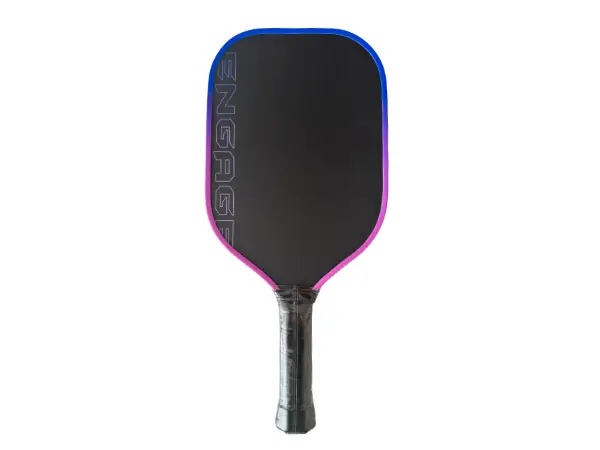
Solid all-court paddle that just doesn’t quit. Won’t wow you with raw power, but it stays consistent game after game and gives you real spin and reach without the drama.
Key Specs
- Core: 14mm high-density foam
- Face: Raw carbon fiber
- Weight: 7.8-8.2 oz
- Shape: Elongated
- Handle: 5⅜”
- Grip: 4¼”
| ✅ Pros | ❌ Cons |
|---|---|
| No dead spots ever | Less pop than the others |
| Extra reach on wide shots | Short handle for two hands |
Best For
Intermediate players making their first real upgrade. Great if you want a paddle that plays the same way six months from now as it does today — no surprises, no dead spots.
Honorable Mentions
The Gearbox GX2 Power brings unique SST carbon rib core technology for players who want a different approach to power generation. The softer, dampened feel makes it easier to control big shots while still delivering impressive pop.
The Joola Pro IV Perseus is what the pros actually play with—Ben Johns’ signature paddle packed with Tech Flex Power technology and charged carbon surfaces. If you’re chasing tournament-level performance and don’t mind investing near the top of this range, this paddle competes with anything on tour.
Paddle Specs
| Paddle | Category | Shape | Weight | Core | Face | Power | Control | Spin | Sweet Spot | Price |
|---|---|---|---|---|---|---|---|---|---|---|
| Opal | Best Overall | Hybrid | 8.0-8.3 oz | 14mm G4 Foam | Diamond RCF | High | Med-High | High | Medium | $$$ |
| Genesis 4 | Runner Up | Hybrid | 7.9-8.3 oz | 14mm TruFoam | T700+Fibergl | Med-High | High | High | Small | $$$ |
| ProFoam | Budget Pick | Elongated | 7.8-8.2 oz | 14mm Hd Foam | Raw Carbon | Medium | Med-High | Med-High | Huge | $$ |
Buying Guide
Foam vs. Honeycomb
Foam cores have changed everything. Traditional honeycomb cores break down over time—they crush, develop dead spots, and lose that crisp feel after months of play. Foam cores stay consistent from day one through hundreds of hours on the court. Better power-to-control ratios, more spin, longer lifespan. If you’re buying a paddle now, foam makes sense.
Power vs. Control Balance
Think about how you actually play. Do you attack from the baseline and finish at the net? You want power. Do you shape points with placement and spin? Control matters more. Most players fall somewhere in between and need balanced performance that works for the whole court. Match the paddle to your real game, not the one you imagine.
Surface Material Matters
Raw carbon fiber surfaces grip the ball longer for better spin. The difference shows up on serve returns, dinks, and drives—more bite means more control over ball placement. Look for engineered surfaces like diamond-infused carbon that maintain texture over time instead of wearing smooth after a few months.
Weight and Balance
Most paddles in this range sit between 7.9 and 8.3 ounces. That’s the zone where you get enough mass for power and stability without wearing out your arm during long sessions. Lighter feels quicker but sacrifices some punch. Heavier gives you plow-through but can fatigue your shoulder. Hybrid shapes offer the best mix of reach and sweet spot size.
Mistakes
Higher price doesn’t always mean better fit. Sometimes the $180 paddle matches your game better than the $280 option. Focus on specs and playing style over cost.
Ignoring Weight Distribution
How a paddle swings matters more than what it weighs sitting still. Swing weight affects maneuverability and power. If possible, try before you buy or at least read detailed reviews from players with your skill level.
Overlooking Core Technology
Honeycomb cores degrade fast—they lose power, develop inconsistencies, and eventually need replacing. Foam cores maintain performance for years. Don’t buy yesterday’s technology just because it costs less today.
Wrong Grip Size
Most players need 4¼” or 4⅜” circumference. Too thick cramps your hand. Too thin reduces control and can lead to arm fatigue. You can add overgrip to increase size, but you can’t shrink a handle that’s too large.
Final Verdict
The best pickleball paddle under $300 depends on your specific game, but here’s what we’d choose:
The Six Zero Black Opal dominates with explosive power and incredible spin that finishes points fast and keeps opponents guessing while giving you the confidence to attack aggressively from anywhere on the court.
The CRBN TruFoam Genesis 4 brings tournament-level consistency and precise ball control that helps you shape every shot exactly where you want it, giving advanced players the edge they need to compete at the highest levels.
The Engage ProFoam delivers long-lasting foam performance and reliable all-court play without emptying your wallet or sacrificing quality, making it the perfect choice for players upgrading to premium technology on a budget.
FAQs
What’s the difference between 14mm and 16mm?
Thicker cores like 16mm absorb more energy for a softer, controlled feel. Thinner 14mm cores return more energy and add pop. Most power-oriented paddles in this range use 14mm for that reason.
What is dwell time and why does it matter?
Dwell time is how long the ball stays in contact with the paddle face. More dwell means more control over where and how hard you hit the ball, especially on soft shots and drops.
How do I know if I need power or control?
Think about where you lose points most often. If you’re missing on drives and reset shots, you need control. If your attacks aren’t finishing points, more power is probably the answer.
Does paddle weight affect arm pain or injury?
Heavier paddles generate more power but can strain your elbow and shoulder during long sessions. If you’re dealing with arm soreness, dropping even a quarter ounce in weight can make a noticeable difference.
Is an elongated paddle better for singles play?
Generally yes. The extra length gives you more reach and leverage on drives, which matters a lot in singles where you cover the whole court alone. The smaller sweet spot is the trade-off.
