

The Vatic Pro Prism Flash is the best pickleball paddle under $100 — a control-focused option built for intermediate players who want genuine finesse without crossing into premium territory.
This guide covers three top sub-$100 paddles, each solving a different problem, plus a practical buying guide breaking down what actually separates good paddles from forgettable ones.
Top 3 Paddles
| Paddle | Category | Best For | Strength | Price |
|---|---|---|---|---|
| Prism Flash | Best Overall | Intermediates | Control | $ |
| Pegasus Jelly | Runner Up | Control Players | Forgiving | $ |
| Friday Original | Budget Pick | Beginners | Balanced | $ |
Best Overall
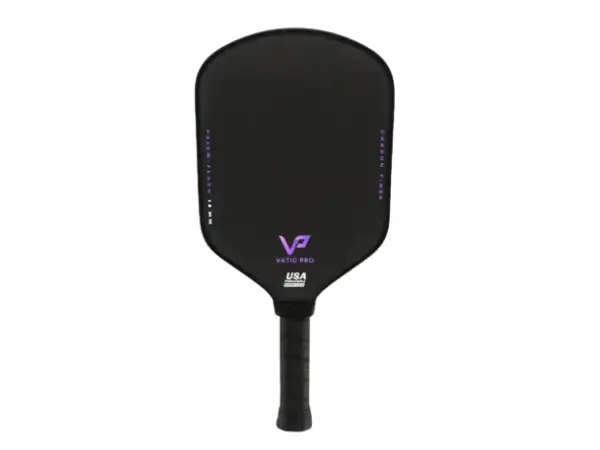
Quick Take
If control is your thing, this paddle just delivers. The feel is soft, placement comes naturally, and it doesn’t punish you for going precise. Honestly one of the most respected budget options on the market right now.
Key Specs
- Core: 16mm optimized polymer honeycomb
- Face: Raw Toray T700 carbon fiber
- Weight: 7.9-8.2 oz
- Shape: Hybrid
- Handle: 5.3″
| ✅ Pros | ❌ Cons |
|---|---|
| Excellent shot control | Less forgiving on mishits |
| Natural, soft feel | Demands clean mechanics |
Best For
Intermediate players who want to sharpen their soft game. You’ve got the basics down and you’re ready for a paddle that rewards smart, precise shots over just swinging hard. Dink-heavy players especially.
Runner-Up

Quick Take
It’s forgiving in ways that actually count. Big sweet spot — mishits that hurt you on other paddles just work here. If consistency matters more than anything else, this one’s hard to argue with.
Key Specs
- Core: 16mm polymer honeycomb
- Face: Triple-layer (2x T700 carbon + fiberglass)
- Weight: 8.0-8.3 oz
- Shape: Wide body
- Handle: 5.75″
Best For
Players who get frustrated by mishits and want a big, forgiving target. Works at all levels — especially if you prefer consistency over pure precision and want quick hands without a twitchy, unstable feel.
Budget Pick
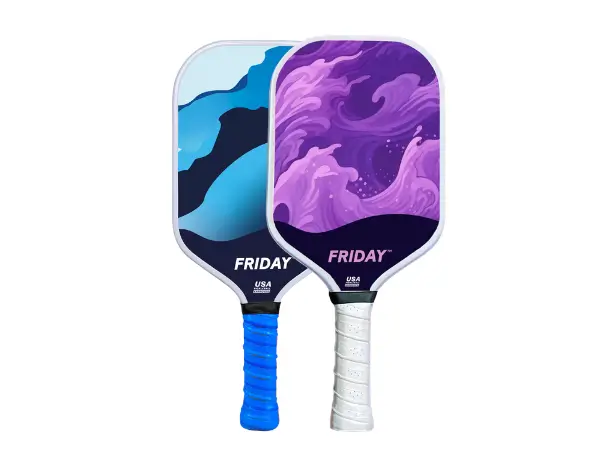
Quick Take
Two paddles, one box — just smart. It’s a great way to start, especially if you’re bringing someone along. Both feel responsive enough to actually build real skills, not just whack the ball around.
Key Specs
- Core: 16mm thermoformed polymer
- Face: T700 carbon fiber
- Weight: 8.2 oz
- Shape: Elongated
- Handle: 5.5″
| ✅ Pros | ❌ Cons |
|---|---|
| Two paddles included | Not built for advanced play |
| Easy to learn with | Elongated shape needs aim |
Best For
Total beginners — especially pairs. If you’re just starting and want to bring a friend, this is the move. Two solid paddles so you can both learn together from day one without a second purchase.
Paddle Specs
| Paddle | Category | Shape | Weight | Core | Face | Power | Control | Spin | Sweet Spot | Price |
|---|---|---|---|---|---|---|---|---|---|---|
| Prism Flash | Best Overall | Hybrid | 7.9-8.2 Oz | C7 Polymer | T700 Carbon | Medium | High | High | Medium | $ |
| Jelly Bean | Runner Up | Widebody | 8.0-8.3 Oz | Polymer | T700/Fibergl | Medium | High | High | Large | $ |
| Friday Original | Budget Pick | Elongated | 8.2 Oz | PP Honeycomb | Abrasive CF | Med-High | Medium | High | Large | $ |
Buying Guide
Core Thickness
A 16mm core absorbs the ball’s energy naturally, giving you softer touch for dinks and drops. You’re not wrestling with aggressive bounce. The 14mm cores deliver more snap and pop but demand cleaner mechanics. Most players developing their game find 16mm helps build finesse first.
Face Material
Raw carbon fiber grips the ball better than smooth surfaces—it’s night and day. More texture means more spin, which translates directly to shot placement control. That texture also lasts longer before wearing down, which matters when you’re not swapping paddles seasonally.
Paddle Shape
Wide bodies pack huge sweet spots but give up some reach. Elongated shapes stretch your net coverage but require tighter accuracy. Hybrids split the difference, making them popular with all-court players who want versatility over specialization.
Construction Type
Thermoformed paddles get molded as one piece under heat and pressure—incredibly durable and consistent, though they can feel stiffer initially. Traditional paddles feel softer right away but might develop dead spots over time. For budget options, thermoformed typically delivers better long-term value.
Mistakes
Chasing Weight
Don’t assume heavier automatically means more powerful. Weight distribution matters way more than total ounces. A balanced 8.2 oz paddle can feel quicker than a poorly designed 7.9 oz one. You want comfort through full sessions, not arm fatigue after twenty minutes.
Shape Assumptions
Don’t think you need elongated shape for power. Shape affects sweet spot location and reach, but core construction and face material determine actual power output. Players often chase extra length when they really need better technique with a forgiving shape.
Graphics Over Performance
Don’t buy based on flashy designs. Focus on specs and actual performance first. The best paddles in this range might not photograph dramatically, but they’ll genuinely improve your game instead of just looking cool in your bag.
Final Verdict
The Vatic Prism Flash delivers genuine premium control without the premium price tag. It’s perfect for players past the beginner stage who want to develop their soft game with a paddle that rewards precision and placement naturally.
The 11SIX24 Pegasus Jelly Bean offers championship-level forgiveness with that absurdly large sweet spot. It’s ideal for players prioritizing consistency above everything else—and honestly, at this price point, it’s exceptional value.
The Friday Original solves the “getting started is expensive” problem beautifully. Two quality paddles mean you and a friend can upgrade together, or you’ve got a legitimate backup when life happens.
FAQs
What’s the difference between raw and textured faces?
Raw carbon shows the actual fiber weave—it’s naturally grippy and generates spin. Textured faces have added grit or patterns painted on. Raw surfaces typically last longer and provide more consistent spin throughout the paddle’s lifespan, though they cost slightly more.
Is paddle warranty important at this price point?
Pretty important, actually. Good brands stand behind their products even at budget prices. Look for at least 6-12 months coverage against manufacturing defects. It shows the company believes in their construction quality and isn’t just churning out disposable equipment.
Do edge guards matter for paddle durability?
Absolutely. Foam-injected edge walls (like the Vatic has) protect against ground strikes and add stability. They also expand the sweet spot slightly. Cheaper paddles with minimal edge protection show damage faster. Good edge construction is a sign of thoughtful design.
What’s the return policy for online paddle purchases?
Most reputable sellers offer 30-day returns, some even 60-90 days. Always verify return terms before buying. Some retailers let you demo paddles for a week. Buy from established shops that understand players need time to test equipment properly before committing.
