

The best pickleball glasses protect your eyes from high-speed ball impacts while keeping your vision sharp across indoor and outdoor courts. Eye injuries in pickleball are rising fast, and standard sunglasses won’t cut it — you need certified, sport-specific eyewear.
This guide covers five top options across every player type and playing environment, plus a full buying guide so you can make a smart, confident choice.
Best Overall Glasses

Quick Take
One pair, any court. The lenses shift automatically from clear to dark as you move between venues. Plus an amber tint that actually helps you track the ball — it’s the kind of detail that makes a real difference mid-rally.
Key Features
- Light-adapting lens
- ANSI Z87.1 safety
- Amber contrast lens
| ✅ Pros | ❌ Cons |
|---|---|
| One pair for most courts | Can slip when sweaty |
| Helps you see ball better | Frame feels a bit bulky |
Best For
Players who bounce between indoor and outdoor courts and don’t want to deal with multiple pairs. Also great if you want to see the ball more clearly without changing your whole setup.
Budget Pick

Quick Take
Three lenses in the box, one pair of glasses. Swap them out depending on where you play. It’s a smart setup for players figuring out what works — without spending a lot to find out.
Key Features
- 3 interchangeable lenses
- Adjustable head strap
- Wide-fit frame
| ✅ Pros | ❌ Cons |
|---|---|
| Easy to swap lenses | Feels pretty basic |
| Stays on more securely | Strap can be annoying |
Best For
Beginners and casual players who want solid protection without overthinking it. Also good for anyone who plays in different conditions and wants the flexibility to switch lenses as needed.
Best Glasses for Sweaty Players
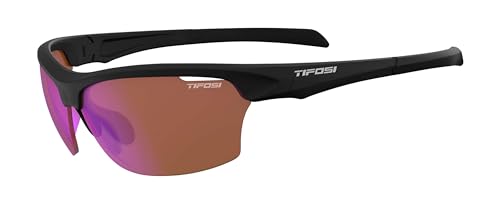
Quick Take
If your glasses are sliding down your nose every third rally, these fix that. The grips get stickier as you sweat. Ventilation keeps fog out. Simple problem, well-solved.
Key Features
- Hydrophilic grip pads
- Vented anti-fog lens
- Shatterproof lens
| ✅ Pros | ❌ Cons |
|---|---|
| Great if you sweat a lot | Not many lens choices |
| Fog is less of an issue | Feels a bit plain |
Best For
Heavy sweaters and players in humid climates who constantly battle slippage and fogged-up lenses. If your current glasses can’t survive a long match without sliding, these are your answer.
Best Premium Glasses
![Reflex [Court HD+]](https://pickleball-wiki.com/wp-content/uploads/2025/10/ria-reflex-court-hd-carbon-black-tennis-pickleball-sunglasses-quarter.webp)
Quick Take
These are built for players who take their game seriously. Prescription-compatible, sport-tuned lenses, and meets the toughest safety standard for racket sports.
Key Features
- 100% UV400 protection
- Prescription compatible
| ✅ Pros | ❌ Cons |
|---|---|
| Strongest protection here | Too much for casual play |
| Clear, dialed-in vision | Harder to find |
Best For
Tournament players and competitive regulars who want top-tier eye protection and optical clarity. If you’ve got prescription needs or play high-stakes matches, these are worth the upgrade.
Best Indoor Glasses
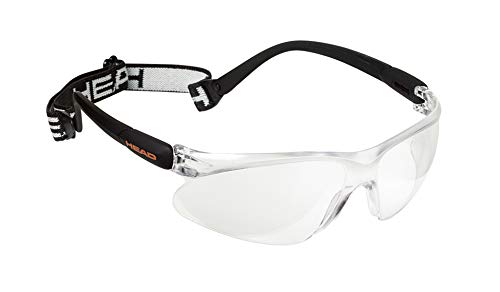
Quick Take
Indoor pickleball has a glare problem that most glasses ignore. These don’t. Anti-glare coating, clear lenses, and a snug goggle fit make them the obvious choice for gym courts.
Key Features
- Anti-glare coating
- Anti-fog performance
- Lightweight TR90 frame
| ✅ Pros | ❌ Cons |
|---|---|
| Good for gym lighting | Really for indoor only |
| Stays put on your face | Pretty basic overall |
Best For
Dedicated indoor players who want clear, glare-free vision without complicating things. Perfect for recreational players just starting out or anyone who plays exclusively on gym or rec center courts.
Buying Guide
Playing Environment
Indoor players need clear lenses for maximum visibility under artificial lighting. Outdoor players benefit from photochromic lenses that automatically adjust to changing light conditions throughout the day.
Mixed-environment players should consider glasses with interchangeable lenses or photochromic technology to avoid carrying multiple pairs.
Safety Standards
Look for ANSI Z87.1 certification minimum. This ensures lenses withstand high-impact collisions without shattering. Polycarbonate lenses offer the best protection—they’re 10 times more impact-resistant than regular plastic.
Tournament players may want ASTM F3164-19 certification, which specifically addresses racket sport safety requirements.
Lens Color
Clear lenses work best indoors and in low light. Amber or yellow tints enhance contrast and help track the ball against court backgrounds. Photochromic lenses adjust automatically from clear to dark based on UV exposure.
Avoid polarized lenses unless you’re extremely light-sensitive—they can flatten depth perception and hurt your game.
Fit and Comfort
Adjustable nose pads and temple arms let you customize fit. Hydrophilic grips actually get stickier when wet, preventing slippage during sweaty matches.
Wraparound styles block peripheral light and debris while maintaining full field of vision. The frame should feel secure without creating pressure points.
Mistakes
Style Over Safety
Fashion-focused sunglasses often lack impact resistance. Regular eyewear may look good but won’t protect your eyes from a 30+ mph ball strike. Always verify safety certifications before purchasing.
Wrong Lens
Dark lenses indoors reduce visibility and create safety hazards. Clear lenses outdoors leave you squinting and straining. Match your lens type to where you play most frequently.
Ignoring Fit
Loose glasses slip during play, forcing constant readjustment. Tight frames cause headaches and distraction. Take time to adjust nose pads and temple arms properly, or choose frames with better grip technology.
Skipping Anti-Fog
Fogged lenses kill your game mid-rally. Especially in humid conditions or during intense matches, anti-fog coatings and ventilation features become essential, not optional.
Wrong Cleaning
Paper towels and clothing scratch lens coatings over time. Always use microfiber cloths and lukewarm water with mild soap. Store glasses in hard cases to prevent damage.
Final Verdict
The CRBN Pivot is the one pair most players should own. It handles the biggest real-world headache in pickleball eyewear — switching between courts — without needing a bag full of backup glasses. It’s not flashy, but it solves the actual problem.
FAQs
Can I wear pickleball glasses over contacts?
Yes, wearing protective eyewear over contact lenses is actually ideal. Contacts provide vision correction while sports glasses offer impact protection. This combo gives you better peripheral vision than prescription glasses alone, with full safety benefits.
Are there prescription pickleball glasses available?
Absolutely. Many sports eyewear brands offer prescription options or prescription inserts that fit behind protective lenses. RIA, Oakley, and specialized sports opticians can create custom prescription safety glasses for pickleball with your exact vision needs.
How do I prevent glasses from slipping when sweating?
Choose frames with hydrophilic rubber grips that become tackier when wet. Sports headbands can absorb forehead sweat before it reaches your glasses. Some players also use anti-slip wax or aftermarket grip sleeves on temple arms.
Are blue light blocking lenses useful for pickleball?
Blue light blocking isn’t necessary for pickleball. It’s designed for screen use, not outdoor sports. Focus instead on UV protection and contrast enhancement. Amber lenses naturally filter some blue light while improving ball visibility—a better choice.
Do darker lenses always provide better sun protection?
No—tint darkness doesn’t equal UV protection. You need lenses specifically treated for UV blocking, regardless of color. Crystal clear lenses can offer 100% UV protection, while dark lenses without treatment may provide none. Check specifications, not appearance.
What’s the best lens color for morning/evening play?
Amber or rose-tinted lenses excel during dawn and dusk. They enhance contrast in lower light while filtering haze. Avoid dark lenses during these times—they’ll reduce already limited light. Photochromic lenses also work well, adjusting to changing conditions.
