

The best midweight pickleball paddles fall in the 7.8 to 8.2 oz range and deliver the power-control balance that most competitive players are actually looking for — which is exactly why this weight class is the most popular choice above beginner level.
This breakdown cuts straight to the top three paddles worth considering, who each one is built for, and what genuinely separates them from the rest of the field.
Top 3 Paddles
| Paddle | Category | Best For | Strength | Price |
|---|---|---|---|---|
| J2NF | Best Overall | Intermediates | All-Court | $$ |
| Loco | Runner Up | Advanced | Control | $$ |
| Prism | Budget Pick | Rec Players | Control | $ |
Best Overall
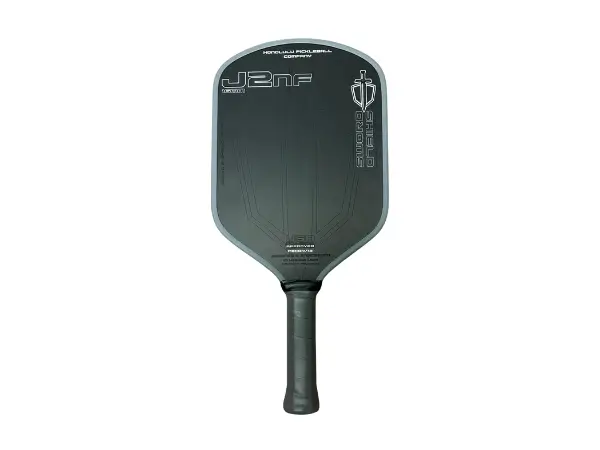
Quick Take
A genuinely versatile paddle that doesn’t force you to choose between power and touch. It forgives mishits, generates solid spin, and holds up across the whole court. Most players will feel right at home.
Key Specs
- Core: 16mm full foam
- Face: Carbon fiber/fiberglass blend
- Weight: 8.0-8.3 oz
- Shape: Hybrid
- Handle: 5.5″
| ✅ Pros | ❌ Cons |
|---|---|
| Massive sweet spot | Handle runs long for some |
| Power meets spin well | Slightly less touch feel |
Best For
Intermediate to advanced players who want one paddle that handles every situation — baseline rallies, net battles, and everything in between. If you hate making trade-offs and just want a reliable all-around go-to, this one fits.
Runner-Up
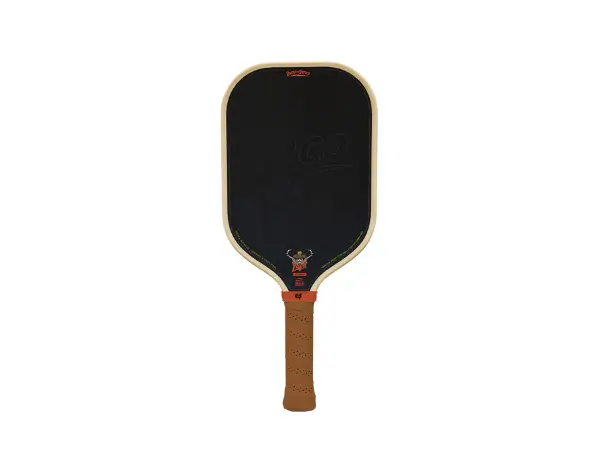
Quick Take
If you want precision over raw power, this is your paddle. It rewards players who place shots deliberately and can feel every small adjustment. Not a beginner paddle — it’s built for focused, intentional play.
Key Specs
- Core: 16mm full foam (EPP + EVA)
- Face: Raw carbon fiber
- Weight: 7.9-8.1 oz
- Shape: Hybrid
- Handle: 5.3″
| ✅ Pros | ❌ Cons |
|---|---|
| Elite control and precision | Smaller sweet spot |
| Exceptional spin | Tough for newer players |
Best For
Advanced players who’ve already dialed in their technique and want a paddle that responds to deliberate, precise shot-making. If you know what you want from a paddle and prefer control over brute power, this is it.
Budget Pick
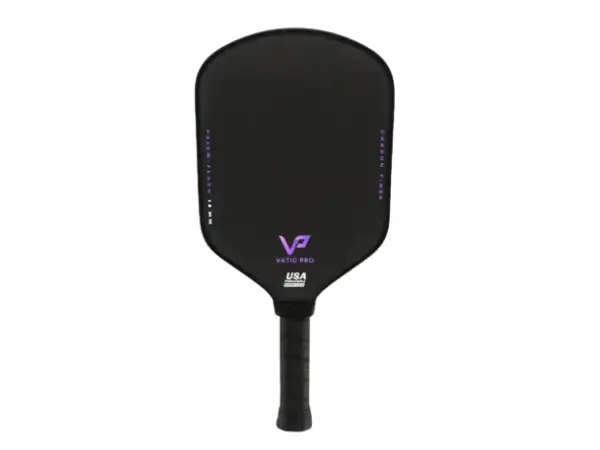
Quick Take
Don’t let it fool you — this paddle genuinely delivers. Real spin, solid control, and a durable build that holds up. It’s a great option for players who want to step up their game without making a big commitment.
Key Specs
- Core: 16mm polymer honeycomb
- Face: Raw carbon fiber (Toray T700)
- Weight: 7.9-8.2 oz
- Shape: Hybrid
- Handle: 5.3″
| ✅ Pros | ❌ Cons |
|---|---|
| Fast hand speed at the net | Short handle limits options |
| Strong spin performance | Face wears faster over time |
Best For
Players stepping up their game who want a capable, dependable paddle without overcommitting. Also solid as a backup or a reliable first serious paddle for competitive recreational players who play regularly.
Honorable Mentions
The 11SIX24 Pegasus Jelly Bean deserves recognition as an incredible value under $100. It delivers surprising forgiveness with a balanced mix of control and pop—perfect for beginners moving into intermediate territory or anyone wanting a quality backup paddle without the investment.
The JOOLA Perseus Pro IV sits at the premium end, offering pro-level thermoformed construction with explosive power, though you’ll definitely feel it in your wallet.
Paddle Specs
| Paddle | Category | Shape | Weight | Core | Face | Power | Control | Spin | Sweet Spot | Price |
|---|---|---|---|---|---|---|---|---|---|---|
| J2NF | Best Overall | Hybrid | 8.0-8.3 oz | 16mm Epp+Eva | Cfc Layup | High | High | High | Huge | $$ |
| Loco | Runner Up | Hybrid | 7.9-8.1 oz | 16mm Epp+Eva | T700+Fg | Med-High | High | High | Medium | $$ |
| Prism | Budget Pick | Hybrid | 7.9-8.2 oz | 16mm Poly | T700 Carbon | Low | High | Med-High | Large | $ |
Buying Guide
Weight Distribution
Midweight paddles range from 7.8 to 8.2 ounces. This range provides stability during fast exchanges without causing arm fatigue. The weight delivers enough mass to absorb hard hits while maintaining paddle head speed for quick reactions at the net.
Core Technology
Foam cores offer consistent feel across the paddle face and resist crushing over time. They provide better durability for frequent play and create a softer contact feel that helps with touch shots. Polymer cores remain reliable options at lower price points and work well for recreational players who compete less frequently.
Face Material
Raw carbon fiber surfaces grip the ball for enhanced spin generation on serves and volleys. Some paddles combine carbon with fiberglass to increase power output. Pure carbon allows greater shot shaping ability while carbon-fiberglass blends deliver more explosive pop off the face.
Sweet Spot
Larger sweet spots reduce mishit penalties when stretched or rushed. Foam cores typically expand the effective hitting area compared to polymer construction. A generous sweet spot helps maintain consistency during long rallies and competitive matches.
Common Mistakes
Avoid selecting paddles based on extreme weight preferences rather than balanced performance characteristics. Price alone does not indicate quality—paddles under $100 often match the performance of premium models for intermediate players.
Professional player endorsements reflect elite-level needs that differ significantly from recreational requirements. Choose equipment matching your current skill level and playing style rather than aspirational preferences.
Final Verdict
The Honolulu J2NF delivers excellent all-court versatility with explosive power and soft touch capabilities. Its expansive sweet spot maintains rally consistency across skill levels.
The Bread & Butter Loco provides precision control for advanced players at competitive pricing.
Budget-conscious players gain premium features with the Vatic Pro Prism Flash without sacrificing essential performance qualities.
FAQs
Should beginners start with midweight paddles?
Absolutely. Midweight offers the most versatility while you’re developing your playing style. They provide enough power to compete without requiring perfect technique, plus the stability helps build consistent mechanics. You won’t need to upgrade as quickly as with extreme weight options.
Can paddle weight affect your swing path?
Definitely. Midweight paddles naturally encourage smoother, more controlled swings compared to lightweight paddles that tempt you to over-swing. The mass creates momentum that guides your swing path, helping develop better mechanics and more consistent shot-making over time.
Do professional players use midweight paddles?
Many pros use paddles in the 8.0-8.3 oz range, which overlaps with midweight. They prioritize stability and power for aggressive play. However, pros often customize stock paddles with lead tape and grip modifications, so their actual playing weights may differ from advertised specifications.
Should you rotate between multiple paddles?
Only if they’re nearly identical in weight and feel. Rotating helps extend paddle lifespan by reducing wear on any single paddle. However, using dramatically different paddles confuses muscle memory and hurts consistency. If rotating, keep paddles within 0.2 oz of each other for similar performance.
