

The Oneshot Aero Infinityshot is the best graphite pickleball paddle for most players, delivering elite control, spin, and forgiveness in one complete package. Graphite suits control-first players — beginners learning to dink and intermediates who want soft hands at the net without sacrificing versatility.
This guide covers three solid options built for different skill levels, with straight-talk trade-offs and clear recommendations to help you pick the right one.
Top 3 Paddles
| Paddle | Category | Best For | Strength | Price |
|---|---|---|---|---|
| Infinityshot | Best Overall | Intermediates | All-Court | $$$ |
| Latitude Max | Runner Up | Net Players | Forgiving | $ |
| Graphite Z5 | Budget Pick | Beginners | Control | $ |
Best Overall
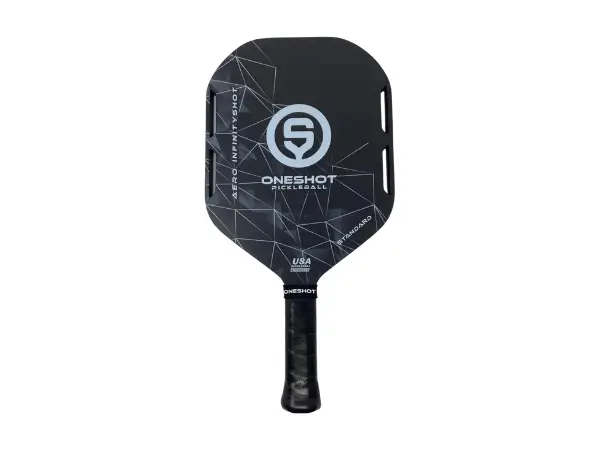
Quick Take
Honestly, it’s the kind of paddle that covers all your bases. Control at the net? Check. Spin when you need it? Check. Solid all-around feel without being finicky. It earns the top spot.
Key Specs
- Core: 14.5mm polypropylene honeycomb
- Face: Textured graphite
- Weight: 7.9-8.2 oz
- Shape: Elongated
- Handle: 5.5″
| ✅ Pros | ❌ Cons |
|---|---|
| Great touch at the kitchen | Heavy for quick exchanges |
| Textured face adds spin | Overkill for casual players |
Best For
All-court players who want one paddle that handles every situation well. If you want control AND power AND spin without compromising, this is your pick. Works great from the kitchen to the baseline.
Runner-Up
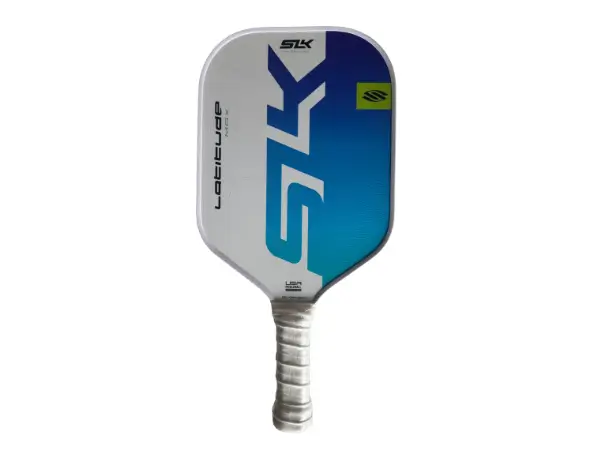
Quick Take
If the kitchen line is where you live, this paddle gets it. It’s super forgiving, and the spin texture actually does what it promises. Really great if you’re still building your touch and dinking game.
Key Specs
- Core: 13mm SX4 polymer honeycomb
- Face: Graphi-Flex graphite with SpinFlex+ texture
- Weight: 7.6-8.0 oz
- Shape: Widebody
- Handle: 4.85″
| ✅ Pros | ❌ Cons |
|---|---|
| Big sweet spot for misses | Short handle limits leverage |
| Excellent spin off the face | Less reach at the sidelines |
Best For
Players who spend most of their time at the kitchen line and want serious forgiveness. Also solid for beginners and intermediates who want to develop touch shots and dinks without fighting their paddle.
Budget Pick

Quick Take
This is the classic beginner paddle for a reason. It’s forgiving, reliable, and you don’t have to think about it — you just play. Solid confidence builder that won’t hold your game back.
Key Specs
- Core: 11mm Nomex honeycomb
- Face: Graphite
- Weight: 7.5-8.2 oz
- Shape: Widebody
- Handle: 5″
Best For
Beginners who just want to get on the court and focus on learning proper technique. Also a great pick for recreational players who want something dependable without any complicated trade-offs.
Paddle Specs
| Paddle | Category | Shape | Weight | Core | Face | Power | Control | Spin | Sweet Spot | Price |
|---|---|---|---|---|---|---|---|---|---|---|
| Infinityshot | Best Overall | Elongated | 7.9-8.2 Oz | 14.5mm PP | Text. Graphite | Med-High | High | High | Large | $$$ |
| Latitude Max | Runner Up | Widebody | 7.6-8.0 Oz | 13mm SX4 Poly | Graphi-Flex G | Medium | Med-High | Med-High | Huge | $ |
| Graphite Z5 | Budget Pick | Widebody | 7.5-8.2 Oz | 12mm Nomex | Graphite | High | Medium | Med-High | Huge | $ |
Buying Guide
Core Thickness
Thicker cores (14mm+) create a softer feel. This helps with touch shots at the net. Thinner cores (11-13mm) deliver more power from the baseline.
Choose 14mm or thicker if you prioritize dinks and drops. Go with 11-13mm if you need more baseline power.
Face Material
Graphite faces provide excellent control and a softer touch. They’re more forgiving than carbon fiber alternatives.
Carbon fiber adds spin and durability but feels stiffer. Most graphite paddles have smoother surfaces. This reduces spin but improves consistency.
Weight Range
Medium weight paddles (7.5-8.2 oz) work for most players. They balance maneuverability with power generation.
Lighter paddles (under 7.5 oz) swing faster but sacrifice power. Heavier options (8.2 oz+) generate pace with less effort.
Paddle Shape
Widebody designs maximize sweet spot size. This forgives off-center hits and builds confidence.
Elongated shapes provide extra reach at the net. They work better once you develop consistent contact points.
Standard shapes split the difference nicely.
Mistakes
Chasing Ultralight
Many beginners assume lighter means better. Physics disagrees. Mass helps generate power without perfect technique.
Buying Too Cheap
Spending $50-100 more typically means years of better performance. Quality construction materials last longer and play better.
Copying Pros
Professional players compete at elite levels. Their equipment choices optimize for skills most recreational players haven’t developed.
Choose based on your current game, not aspirations.
Aesthetic Priorities
Visual appeal should not override performance specifications. Attractive paddles with poor playing characteristics discourage use and slow improvement.
Final Verdict
The Oneshot Aero Infinityshot is the clear top pick — it hits the sweet spot between touch and versatility better than anything else in this category.
The SLK Latitude Max is a smart step-down for players who live at the kitchen and want maximum forgiveness, while the ONIX Z5 is the honest choice for beginners who just need something that works.
Start with what matches your skill level, not your wishlist.
FAQs
Do graphite paddles lose pop over time?
Yes, graphite faces can delaminate from the core after 1-2 years of heavy use. You’ll notice reduced power and a hollow sound. Store paddles properly and avoid extreme temperatures to maximize lifespan and maintain performance consistency.
Are graphite paddles USAPA approved universally?
Most graphite paddles meet USAPA standards, but always verify before tournament play. Check the official USAPA approved paddle list online. Some textured graphite faces exceed roughness limits and get banned despite using legal materials.
Why do graphite paddles feel different when new?
New graphite paddles need 10-15 hours of break-in play. The polymer core settles and the face material flexes into optimal responsiveness. Don’t judge performance immediately—give it several sessions before forming final opinions about playability.
Do professional players still use graphite paddles?
Only a few pros currently use pure graphite—most switched to carbon fiber or hybrid constructions. Graphite dominated early pickleball but newer materials offer competitive advantages. However, recreational players often prefer graphite’s forgiving, controllable characteristics over raw performance.
