

The Selkirk Amped S2 is the best fiberglass pickleball paddle for players who want touch, forgiveness, and consistency without fighting the paddle. Fiberglass is the smart move for recreational to advanced-intermediate players — it flexes on contact, creates natural power, and makes off-center hits far more forgiving than stiffer alternatives.
Here’s a breakdown of the three paddles actually worth considering in this category.
Top 3 Paddles
| Paddle | Category | Best For | Strength | Price |
|---|---|---|---|---|
| Amped | Best Overall | Net Players | Touch | $$ |
| Selkirk Evo | Runner Up | Intermediates | Balanced | $ |
| Radical | Budget Pick | Beginners | Forgiving | $ |
Best Overall
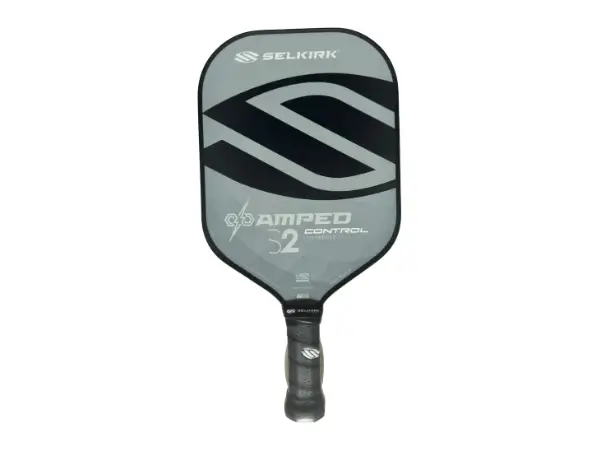
Quick Take
Wider face, softer feel, bigger margin for error. If you’re building your soft game — dinking, resetting, staying consistent — this paddle quietly does the heavy lifting. Won’t wow you on power, but it’ll save you on touch.
Key Specs
- Core: X5 polypropylene
- Face: FiberFlex fiberglass
- Weight: 7.3-7.6 oz
- Shape: Widebody
- Handle: 4.65″
| ✅ Pros | ❌ Cons |
|---|---|
| Huge sweet spot | Less pop on hard drives |
| Effortless net control | Short handle limits reach |
Best For
Players who want to win at the net — seniors, control-first players, and anyone whose game is built around patience and placement. If aggressive baseline power isn’t your thing, this paddle fits naturally.
Runner-Up
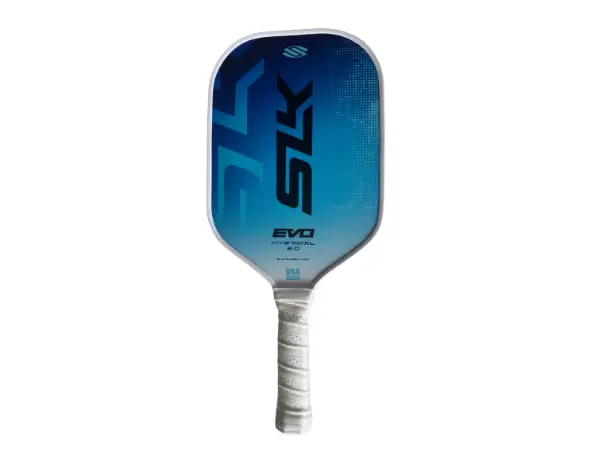
Quick Take
This one’s hard to mess up. Enough power to keep opponents honest, enough control to stay steady at the net. It’s the paddle you grab when you don’t want to overthink the decision — just play good pickleball.
Key Specs
- Core: 13mm polymer
- Face: C7-Flex hybrid fiberglass
- Weight: 7.6-8.0 oz
- Shape: Hybrid
- Handle: 5.25″
| ✅ Pros | ❌ Cons |
|---|---|
| Balanced power and control | Not a specialist paddle |
| Forgiving off-center hits | Feel splits opinion |
Best For
Intermediate players who want one paddle that handles everything without specializing too hard in any direction. Great for 3.0 to 4.0 players still figuring out their style — whether that’s power, control, or somewhere in between.
Budget Pick

Quick Take
This is the paddle that gets you on the court, lets you learn the game, and doesn’t punish every mistake. It’s not flashy. It doesn’t need to be. It just works when you’re starting out.
Key Specs
- Core: Polymer honeycomb
- Face: Fiberglass
- Weight: Standard (approximately 7.3-7.8 oz)
- Shape: Standard
- Handle: 5.0″
| ✅ Pros | ❌ Cons |
|---|---|
| Very forgiving on mishits | Surface wears out faster |
| Easy to learn the game | Less spin than top paddles |
Best For
New players and casual weekend players who want something forgiving and dependable without stressing over gear decisions. Also solid as a backup paddle or a loaner for friends who want to try the sport.
Paddle Specs
| Paddle | Category | Shape | Weight | Core | Face | Power | Control | Spin | Sweet Spot | Price |
|---|---|---|---|---|---|---|---|---|---|---|
| Amped | Best Overall | Widebody | 7.3-7.6 Oz | 16mm Poly | FiberFlex+ FG | Med-Low | High | Med-High | Huge | $$ |
| Evo | Runner Up | Hybrid | 7.6-8.0 Oz | 13mm Rev | C7-Flex FG | Medium | Medium | Medium | Large | $ |
| Radical | Budget Pick | Standard | 8.1 Oz | 15mm Poly | Fiberglass | Medium | Medium | Low | Large | $ |
Buying Guide
Sweet Spot
Fiberglass creates naturally larger sweet spots through material flexibility. Wider faces (7.5 inches or more) help developing players maintain consistency. The forgiving nature compensates for off-center contact during skill development.
Core Thickness
Thickness determines paddle feel and response. Cores between 13-14mm provide responsive pop for baseline power. Thicker cores (16mm plus) deliver softer touch and enhanced control at the net. Most intermediate players benefit from 13-14mm range.
Weight Distribution
Midweight paddles (7.6-8.2 ounces) balance power generation with net maneuverability. Lighter options reduce arm fatigue but demand more swing effort. Heavier paddles increase drive power but may cause strain during extended play.
Face Quality
Premium fiberglass blends offer superior consistency and longevity versus basic constructions. Hybrid materials combine characteristics from multiple composites without premium pricing. Quality differences affect durability and performance consistency over time.
Material Comparison
Fiberglass flexes on impact, creating natural ball pop with minimal effort. This generates more power and forgiveness. Carbon fiber offers greater stiffness for enhanced control and spin but requires refined technique. Players below 4.0 typically benefit more from fiberglass characteristics.
Mistakes
Chasing Light Weight
Lighter paddles are not automatically better. Insufficient weight requires excessive swing effort to generate pace. Adequate mass helps balls travel with controlled power.
Assuming Carbon Superiority
Carbon fiber does not outperform fiberglass for all players. Many experienced players prefer fiberglass for natural power and responsive feel. Material choice should match skill level and playing style.
Buying on Appearance
Visual design should not drive purchasing decisions. Performance specifications and construction quality matter more than aesthetics. Instagram-worthy graphics do not improve on-court results.
Final Verdict
The Selkirk Amped S2 is the clear top pick. The soft face and wide body turn defensive situations into genuine advantages — which matters far more at the recreational level than extra power.
The SLK Evo Hybrid 2.0 is worth a look if you want something more versatile.
Match your current skill level to the right paddle here, and you’re already ahead of most players on the court.
FAQs
Are fiberglass paddles USAPA approved?
Most major brand fiberglass paddles are USAPA approved for tournament play. Always check the manufacturer’s specs or USAPA’s official paddle list before purchasing if you plan competing in sanctioned events.
Should beginners start with fiberglass or wood?
Fiberglass is superior for beginners. Wood paddles are outdated technology—heavier, smaller sweet spots, and poor performance. Fiberglass offers better control, forgiveness, and value while developing proper technique from the start.
Do pros ever use fiberglass paddles anymore?
Rarely. Most professionals use carbon fiber or advanced composite materials for maximum spin and control. However, fiberglass remains ideal for recreational through advanced intermediate players prioritizing feel and forgiveness.
How long do fiberglass paddles typically last?
Most fiberglass paddles last 1-3 years with regular play. The face material holds up well to impact, but surface texture gradually wears down. Proper storage and avoiding extreme temperatures extends paddle lifespan significantly.
