

The best elongated pickleball paddles give you real reach and power without turning your dink game into a liability.
This guide covers the top options for intermediate to advanced players, with each paddle broken down by actual specs, design intent, and the player types they genuinely suit — not just buzzwords from the marketing sheet.
Top 3 Paddles
| Paddle | Category | Best For | Strength | Price |
|---|---|---|---|---|
| ERA | Best Overall | Intermediates | Balanced | $$ |
| Boomstik | Runner Up | Advanced | Power | $$$ |
| V-Sol Pro | Budget Pick | Intermediates | Spin | $ |
Best Overall
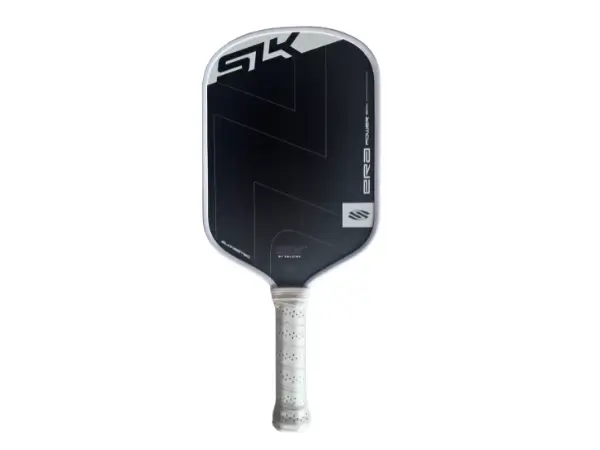
Quick Take
The ERA Power is a genuinely well-rounded elongated paddle. It handles the net without feeling clunky, and it’s got enough punch from the baseline to keep rallies competitive. Not flashy — just reliably good.
Key Specs
Core: 16mm Dynamic Fusion (polypropylene + EVA foam)
Face: 3-layered T700 carbon fiber/fiberglass blend
Weight: 7.9-8.4 oz
Shape: Elongated
Handle: 5.8″
| ✅ Pros | ❌ Cons |
|---|---|
| Solid all-around feel | Nothing truly stands out |
| Strong spin generation | Weight varies paddle to paddle |
Best For
Intermediate to advanced players who want one paddle that does everything well. Great if you’re leveling up and don’t want to juggle separate paddles for power and control.
Runner-Up
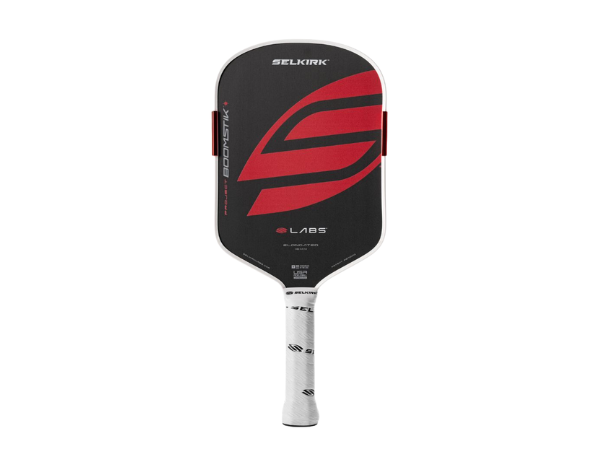
Quick Take
The Boomstik hits hard and holds up longer than most paddles out there. Sweet spot is tighter than you’d expect, but if your form is solid, this thing performs at a seriously high level.
Key Specs
Core: 16mm BoomCore (PureFoam + EVA Power Ring)
Face: Raw carbon fiber with InfiniGrit
Weight: 8.1-8.4 oz
Shape: Elongated
Handle: 5.8″
| ✅ Pros | ❌ Cons |
|---|---|
| Outstanding durability | Tight sweet spot |
| Excellent spin and pop | Punishes mishits hard |
Best For
Advanced players who’ve outgrown mid-range paddles and play seriously. Best for competitive players with solid technique who want a high-performing paddle built to last at the top level.
Budget Pick
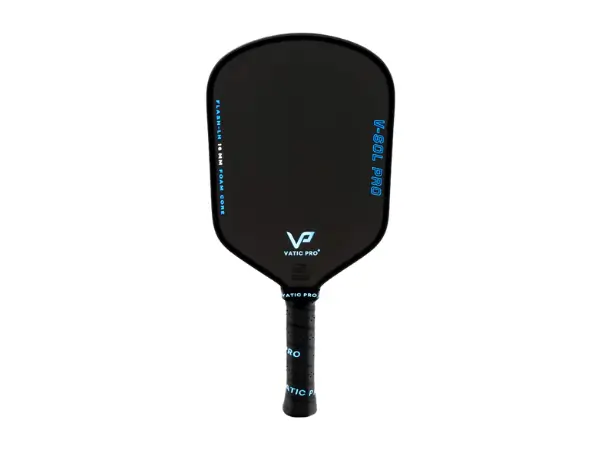
Quick Take
Punches way above where you’d expect it to. Spin is solid, the long handle helps with two-handed backhands, and the main knock is it can feel a bit unstable off-center. Manageable though.
Key Specs
Core: 16mm foam (EPP core + EVA perimeter)
Face: Raw Toray T700 carbon fiber
Weight: 8.0 oz
Shape: Elongated
Handle: 5.5″
| ✅ Pros | ❌ Cons |
|---|---|
| Surprising spin output | Feels unstable off-center |
| Long handle aids two-handers | Not built for advanced play |
Best For
Players developing their game who want to explore the elongated style without fully committing. Also solid for anyone building a two-handed backhand who doesn’t need top-shelf features yet.
Paddle Specs
| Paddle | Category | Shape | Weight | Core | Face | Power | Control | Spin | Sweet Spot | Price |
|---|---|---|---|---|---|---|---|---|---|---|
| ERA | Best Overall | Elongated | 7.9-8.4 oz | PP+EVA Foam | T700/Glass | Med-High | Med-High | High | Large | $$ |
| Boomstik | Runner Up | Elongated | 8.1-8.4 oz | PureFoam+EVA | T700 Carbon | High | Med-High | High | Large | $$$ |
| V-Sol Pro | Budget Pick | Elongated | 8.0 oz | EPP+EVA Foam | T700 Carbon | Med-High | High | High | Medium | $ |
Buying Guide
Paddle Length
Elongated paddles range from 16.5 to 17 inches. Most players find 16.5 inches ideal. Longer doesn’t always mean better—it affects maneuverability and sweet spot size.
Core Type
Foam cores provide explosive power with decent touch. Hybrid cores blend foam and polymer for balanced performance. Pure polymer offers more control but less power. Beginners benefit most from hybrid or polymer cores while developing technique.
Face Material
Raw carbon fiber creates more spin through surface texture. Carbon fiber blends offer durability and consistency. Fiberglass provides softer feel but less spin potential. Carbon fiber works best for intermediate players focused on shot placement.
Weight Distribution
Look for paddles between 7.8 and 8.4 ounces. Lighter paddles swing faster but generate less power. Heavier options provide stability and momentum. Balance matters more than total weight—head-heavy paddles increase power while handle-heavy designs improve control.
Handle Length
Elongated paddles typically feature 5.5 to 5.8 inch handles. Longer handles accommodate two-handed backhands and baseline play. Shorter handles suit one-handed players and net-focused games.
Mistakes
Choosing Maximum Length
The longest legal paddle isn’t automatically the best choice. Extra length reduces the sweet spot and requires more precise contact. Start with 16.5 inches before considering longer options.
Ignoring Swing Weight
Total weight doesn’t tell the whole story. A paddle can feel heavy during long rallies even if it weighs less on a scale. Test swing weight by rotating the paddle quickly through typical shots.
Expecting Instant Results
Elongated paddles reward proper form and timing. Players often need several sessions to adjust to the different balance point and hitting zone. Don’t judge performance after one game.
Overlooking Grip Size
Extended reach means nothing if you can’t control the paddle. Smaller grips cause arm fatigue and mishits. Larger grips reduce wrist mobility and spin generation.ttractive paddles with poor playing characteristics discourage use and slow improvement.
Final Verdict
The Selkirk SLK ERA Power is the top pick for most players. It’s the rare elongated paddle that doesn’t make you trade one thing for another — you get reach, spin, and consistency without constant adjustment.
The Boomstik edges it out for serious competitors, and the V-Sol Pro is a genuine surprise at the entry level. When in doubt, start with the ERA Power.
FAQs
What’s the legal maximum length for paddles?
USA Pickleball rules allow paddles up to 17 inches long, with combined length and width not exceeding 24 inches. Most elongated paddles measure 16.5 inches, staying well within legal limits for tournament play.
Do heavier paddles generate more power?
Not necessarily. Swing speed matters more than static weight. An 8.0-ounce paddle swung faster generates more power than an 8.5-ounce paddle swung slower. Find the weight that maximizes your comfortable swing speed for optimal power generation.
What’s the best way to break in a paddle?
Modern paddles don’t require break-in periods like older models. They’re play-ready immediately. Some players notice slight performance improvements after 10-15 hours as materials settle, but differences are minimal with today’s manufacturing quality.
What’s the difference between 16mm and 14mm cores?
16mm cores offer better control, softer feel, and more dwell time for touch shots. 14mm cores provide extra power and pop but sacrifice some forgiveness. Elongated paddles typically use 16mm for balanced performance.
