

Widebody pickleball paddles give you a bigger sweet spot — and that design choice directly improves shot consistency for players at every level.
This guide breaks down the top widebody options on the market right now, ranked by real-world performance data and player feedback, so you can match the right paddle to your exact game style.
Top 3 Paddles
| Paddle | Category | Best For | Strength | Price |
|---|---|---|---|---|
| Pulse V | Best Overall | Intermediates | Control | $$ |
| Boomstik | Runner Up | Advanced | Sweet Spot | $$$ |
| Jelly Bean | Budget Pick | Beginners | Forgiving | $ |
Best Overall Paddle
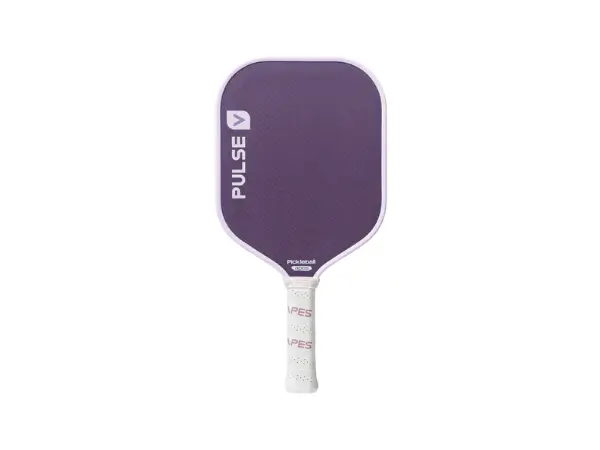

Quick Take
If you’ve leveled up past the basics but don’t want to obsess over technique, this paddle has you covered. Forgiving enough to build real confidence, precise enough to grow with. A solid all-around choice for developing players.
Key Specs
Core: 16.5mm narrow-cell poly honeycomb
Face: Poly aramid fiber weave
Weight: 8.2-8.4 oz
Shape: Widebody
Handle: 5.5″
| ✅ Pros | ❌ Cons |
|---|---|
| Forgiving on mishits | Not ideal for beginners |
| Adapts as you level up | Limited power ceiling |
Best For
Intermediate players who want a reliable everyday paddle. If you’re developing your soft game and need something that won’t fight back when your placement isn’t perfect — this is it.
Runner-Up
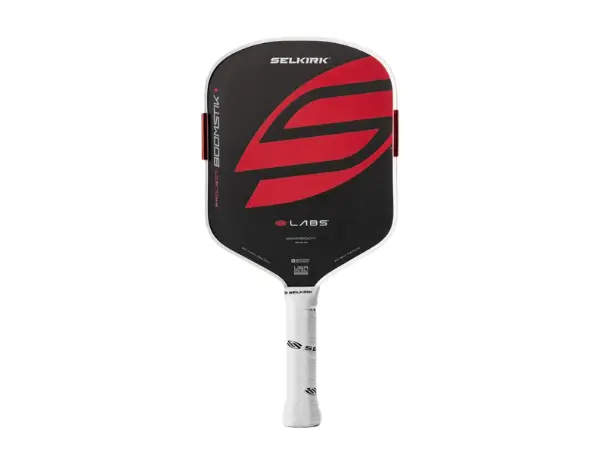
Quick Take
This is the paddle for players who hate losing points they should’ve won. The forgiveness is real — mishits still go where you want them. It plays like a more advanced version of you.
Key Specs
Core: 16mm BoomCore PureFoam with EVA Power Ring
Face: Carbon fiber with InfiniGrit
Weight: 8.0-8.4 oz
Shape: Widebody
Handle: 5.6″
| ✅ Pros | ❌ Cons |
|---|---|
| Huge, reliable sweet spot | Takes time to dial in |
| Works for power and touch | Too much for casual play |
Best For
Players who live at both ends of the court — big drives and dink battles alike. If you need a paddle that stays consistent whether you’re playing aggressively or slowing things down, this handles both.
Budget Pick

Quick Take
Getting started doesn’t have to hurt. This paddle gives you a genuine widebody experience — bigger sweet spot, honest control, real quality. A smart entry point that doesn’t feel like a compromise.
Key Specs
Core: 16mm premium polymer
Face: CFC surface (3 layers)
Weight: 8.0-8.3 oz
Shape: Widebody
Handle: 5.75″
| ✅ Pros | ❌ Cons |
|---|---|
| Solid beginner forgiveness | You’ll outgrow it fast |
| Easy to pick up and play | Feel isn’t quite premium |
Best For
New players who want to experience widebody without overcommitting. If you’re still developing your game and need something forgiving and honest, this is a solid no-nonsense starting point.
Paddle Specs
| Paddle | Category | Shape | Weight | Core | Face | Power | Control | Spin | Sweet Spot | Price |
|---|---|---|---|---|---|---|---|---|---|---|
| Pulse V | Best Overall | Widebody | 8.2-8.4 Oz | Poly Honeycomb | Poly Aramid | Med-Low | High | Med-High | Large | $$ |
| Boomstik | Runner Up | Widebody | 8.0-8.4 Oz | PureFoam/EVA | T700 Carbon | High | Medium | High | Huge | $$$ |
| Jelly Bean | Budget Pick | Widebody | 8.0-8.3 Oz | Polymer | CFC Surface | Med-Low | High | High | Large | $ |
Buying Guide
Sweet Spot
The entire point of widebody is forgiveness on off-center hits. Look beyond paddle width to engineering details like twistweight and perimeter construction. Higher twistweight numbers mean more stability when you miss the sweet spot.
Core Technology
Foam cores deliver better feel and control with shock absorption. Polymer cores feel firmer and more immediately responsive. Neither is objectively superior—choose based on your playing style and experience level.
Face Material
Raw carbon and textured surfaces generate more spin than smooth faces. The grip difference becomes noticeable at intermediate levels and above. Match face technology to your current skill development needs.
Weight Distribution
Static weight matters less than swing weight and balance point. That 0.2 oz difference won’t impact your game nearly as much as how the paddle moves through your swing path.
Common Mistakes
Beginner-Only Assumption
Advanced players use widebody paddles specifically for stability during fast exchanges. Wider shapes benefit every skill level differently—they’re not training wheels.
Copying Others
Your partner’s favorite paddle might feel terrible in your hands. Individual swing mechanics and playing style determine what works. Test before committing if possible.
Immediate Expectations
Foam-core paddles need 5-10 hours to break in properly. Your touch and muscle memory also need adjustment time. Give new equipment a fair evaluation period.
Length Obsession
Elongated paddles add reach but sacrifice the quick maneuverability that makes widebody work at the net. Consider where you play most points.
Final Verdict
The Pickleball Apes Pulse V takes our top recommendation because it genuinely delivers premium control at a budget-friendly price. It’s the paddle I’d hand to anyone who’s moved past the beginner stage and wants something that’ll develop their soft game without compromise or empty promises.
The Selkirk LABS Project Boomstik grabs runner-up with that championship-level forgiveness and massive sweet spot. It’s perfect for players who want consistency more than anything else—and honestly, it’s probably the best bang-for-buck value of the three.
The 11SIX24 Pegasus Jelly Bean claims budget pick by actually solving the “getting started is expensive” problem. Quality widebody performance that won’t break the bank means you can experience that forgiving sweet spot and stability without the buyer’s remorse that comes with dropping serious cash before you know if widebody suits your playing style.
FAQs
Can I add lead tape to widen the sweet spot further?
Yes, but place it strategically at 3 and 9 o’clock positions along the paddle edge. This increases twistweight and stability on off-center hits. Start with half-inch strips and test before adding more weight permanently.
Should I choose widebody if I have a two-handed backhand?
Widebody works great for two-handed backhands because the larger sweet spot forgives the reduced reach and maneuverability of using both hands. You get more consistent contact even when positioning isn’t perfect, which happens frequently with two-handed strokes.
Are widebody paddles approved for tournament play?
Yes, all three paddles mentioned meet USA Pickleball specifications. Widebody refers to shape, not illegal dimensions. Check the approved paddle list before tournaments, but reputable brands ensure compliance. Width itself doesn’t violate any rules.
Can I demo widebody paddles before buying one?
Many specialty pickleball shops and clubs offer demo programs where you rent or borrow paddles. Some manufacturers offer 30-day trial periods. Demoeing is smart—you’ll immediately feel whether widebody suits your game better than reading reviews.