
The Honolulu J2NFK is the best Kevlar pickleball paddle overall, combining DuPont Kevlar with a multi-density foam core to deliver control, consistency, and durability that outlasts carbon fiber alternatives. If you play frequently and want a paddle that holds its performance over months, not weeks, Kevlar is worth your attention.
This guide covers the three best options across different player needs.
Top 3 Paddles
| Paddle | Category | Best For | Strength | Price |
|---|---|---|---|---|
| J2NFK | Best Overall | Net Players | Forgiving | $$ |
| Ruby | Runner Up | Advanced | Spin | $$$ |
| SHARK | Budget Pick | Intermediates | Balanced | $$ |
Best Overall
Quick Take
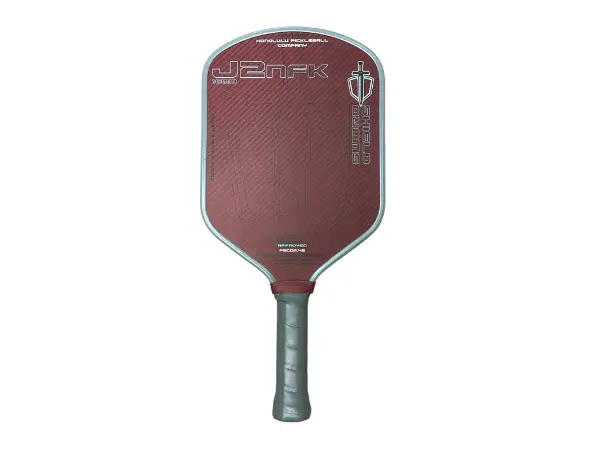
This paddle is built for players who value touch and precision over brute force. It’s forgiving, quiet, and gives you confidence at the net. Exceptional stability makes off-center hits feel fine.
Key Specs
Core: 16mm multi-density foam
Face: Aramid fiber (DuPont™ Kevlar®)
Weight: 8.0-8.3 oz
Shape: Aero Hybrid Plus
Handle: 5.5″
| ✅ Pros | ❌ Cons |
|---|---|
| Buttery soft touch and feel | Not built for power hitters |
| Huge, forgiving sweet spot | Heavier than lighter options |
Best For
Intermediate to advanced players who win through placement, not power. If you live at the kitchen line, love dinking, and want a paddle that doesn’t punish you for the occasional mishit, this one’s for you.
Runner-Up
Quick Take
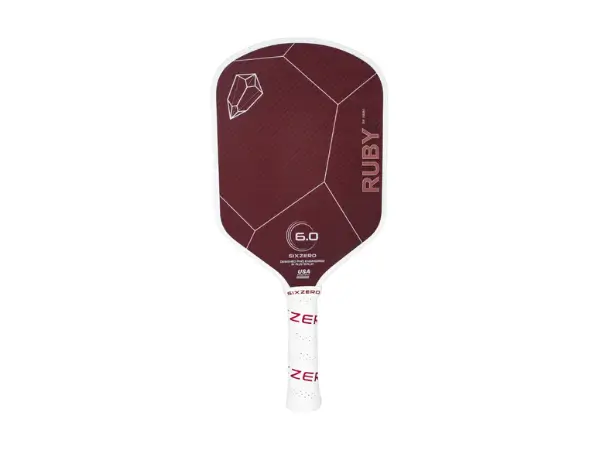
If spin is your game, the Ruby delivers at a level that surprises most players. It’s a serious paddle — built for confident ball-strikers who can handle its firepower.
Key Specs
- Core: 16mm premium honeycomb polymer
- Face: Aramid fiber (DuPont™ Kevlar®)
- Weight: 8.2 oz
- Shape: Hybrid
- Handle: 5.25″
| ✅ Pros | ❌ Cons |
|---|---|
| Elite spin generation | Less forgiving sweet spot |
| Rewards precise technique | Not ideal for beginners |
Best For
Advanced players who play aggressively from the baseline and want elite spin numbers. You need solid technique first — this paddle rewards precision and punishes sloppy swings.
Budget Pick
Quick take
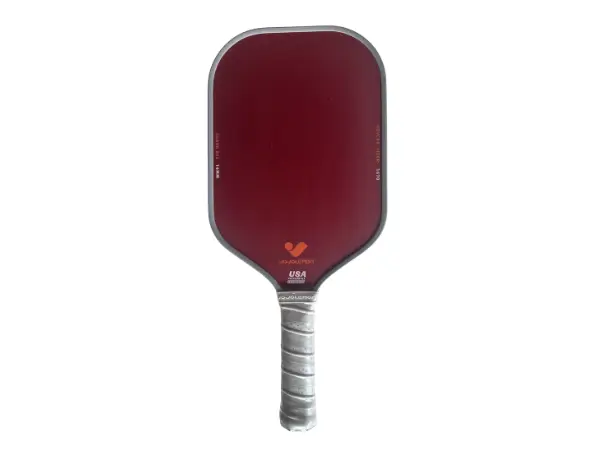
The Shark gives you easy spin, solid pop, and a surprisingly steady feel. It’s a smart value paddle—best for players who want control first, with enough bite to stay dangerous.
Key Specs
- Core: 16mm polymer core
- Face: Kevlar/T700 carbon fiber blend
- Weight: 8.1 oz
- Shape: Standard
- Handle: 5.2″
Best For
Developing players wanting quality Kevlar performance with thermoformed stability. Those seeking exceptional spin and touch without premium prices, prioritizing forgiveness and a comfortable sweet spot.
Paddle Specs
| Paddle | Category | Shape | Weight | Core | Face | Power | Control | Spin | Sweet Spot | Price |
|---|---|---|---|---|---|---|---|---|---|---|
| J2NFK | Best Overall | Hybrid | 8.0-8.3 Oz | 16Mm Md Foam | Dupont Kevlar | Medium | High | Med-High | Huge | $$ |
| Ruby | Runner Up | Hybrid | 8.2 Oz | 16Mm Poly | Dupont Kevlar | Med-High | Med-High | High | Large | $$$ |
| SHARK | Budget Pick | Standard | 8.1 Oz | 16Mm Poly | Kevlar/T700 | Medium | Med-High | High | Large | $$ |
Buying Guide
Core Type
Foam cores deliver consistent performance across the paddle face. They last longer than polymer cores but cost more upfront. Polymer honeycomb cores work well for recreational players at lower prices.
Face Material
Pure Kevlar faces maximize ball pocketing and control. Kevlar-carbon blends add power and stiffness. Choose pure Kevlar for touch or blends for explosive drives.
Weight Balance
Swing weight matters more than total weight. Look for 110-120 swing weight for all-court versatility. Higher twist weight prevents paddle rotation on off-center hits.
Paddle Shape
Hybrid shapes balance power and control for most players. Standard shapes maximize forgiveness with larger sweet spots. Elongated shapes add reach but reduce sweet spot size.
Kevlar vs Carbon
Carbon fiber creates immediate pop and maximum spin. Kevlar offers softer feel with better long-term durability. Players who compete 3+ times weekly benefit most from Kevlar’s impact resistance.
Mistakes
Higher prices don’t guarantee better performance for your skill level. Professional player endorsements reflect specific tour-level needs that differ from recreational play.
Avoid buying without testing paddles first. Each paddle feels different during actual gameplay versus casual handling. Weight specifications on paper don’t translate to how the paddle moves during fast exchanges.
Don’t prioritize raw power over control as an intermediate player. Placement beats power in competitive play. Most points end from unforced errors, not winners.
Final Verdict
The Honolulu J2NFK is the clear top pick — it gives you the kind of feel and forgiveness that makes every shot more deliberate.
If the Ruby’s aggressive spin game isn’t your style and you’re not quite sure where to start with this category, the J2NFK meets you in the middle and stays there.
For most players, it’s the easiest choice.
FAQs
How long do Kevlar paddles typically last?
Kevlar paddles maintain peak performance for 12-18 months with regular play (3-4 times weekly). The aramid fibers resist delamination and face damage better than carbon fiber, meaning you’ll notice gradual rather than sudden performance drops over time.
Are Kevlar paddles USAPA approved?
Yes, all quality Kevlar paddles from reputable manufacturers meet USAPA specifications. Check for official USAPA approval stamps before tournament play. The material itself doesn’t violate regulations—it’s the overall paddle construction that determines approval status.
Do pros prefer Kevlar or carbon fiber?
Most pros currently favor carbon fiber for maximum spin generation and immediate power. However, several top players use Kevlar for its consistency and touch. Professional preferences shouldn’t dictate your choice—your playing style and skill level matter more.
Can Kevlar paddles crack or chip easily?
Kevlar resists impact damage exceptionally well compared to carbon fiber. You might see minor surface scuffing after ground contact or paddle clashes, but the aramid fibers prevent catastrophic cracking. Chips typically occur at edge guards, not face material.