
The CRBN TruFoam Genesis 4 is the best pickleball paddle for spin right now — tested alongside the PIKKL Hurricane Pro and Volair Mach 2 Forza. We put all three through real court time comparing spin output, feel, and consistency.
Whether you’re an intermediate player ready to upgrade or an advanced player dialing in your game, this breakdown helps you spend money on the paddle that actually fits how you play.
Top 3 Paddles
| Paddle | Category | Best For | Strength | Price |
|---|---|---|---|---|
| Genesis 4 | Best Overall | Net Players | Spin | $$$ |
| Hurricane | Runner Up | Control Players | Touch | $$ |
| Mach 2 | Budget Pick | Intermediates | Forgiving | $$ |
Best Overall

Quick Take
Soft feel, serious spin, and faster in hand than you’d think. Touch shots feel natural, drives have real pop. Sweet spot runs tight though — clean contact matters if you want the most from it.
Key Specs
- Core: 16mm full foam
- Face: Raw carbon fiber/fiberglass blend
- Weight: 8.0-8.25 oz
- Shape: Hybrid
- Handle: 5.25″
| ✅ Pros | ❌ Cons |
|---|---|
| Great for touch shots at the net | Tight sweet spot punishes mishits |
| Foam core stays fresh longer | Expensive compared to others |
Best For
Intermediate to advanced players wanting one paddle that handles everything — especially doubles players who live at the net. If touch, spin, and quick hands matter more to you than raw power, this fits.
Runner-Up
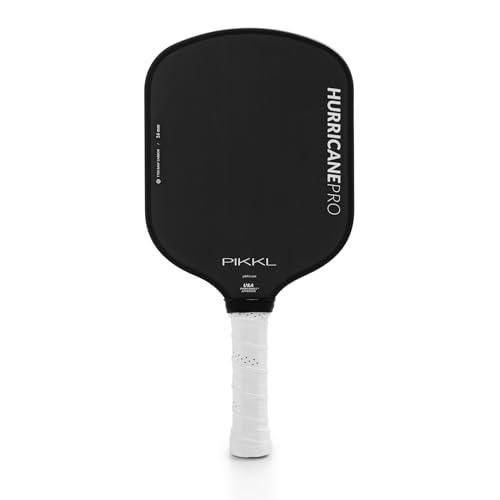
Quick Take
Ridiculously soft feel with an almost unfair sweet spot. Your dinks and drops just… work. The spin is genuinely impressive. Just don’t expect it to blast through the ball — this is a touch player’s paddle through and through.
Key Specs
- Core: 16mm polymer honeycomb
- Face: T700 raw carbon fiber
- Weight: 7.7-8.0 oz
- Shape: Widebody
- Handle: 5.75″
| ✅ Pros | ❌ Cons |
|---|---|
| Massive sweet spot, very forgiving | Not built for power hitters |
| Incredibly soft, plush feel | Long handle, not for everyone |
Best For
Intermediate to advanced players who prioritize shot placement over raw power. Players whose game revolves around strategic spin and keeping opponents off balance with touch, valuing an enormous sweet spot and plush feel.
Budget Pick
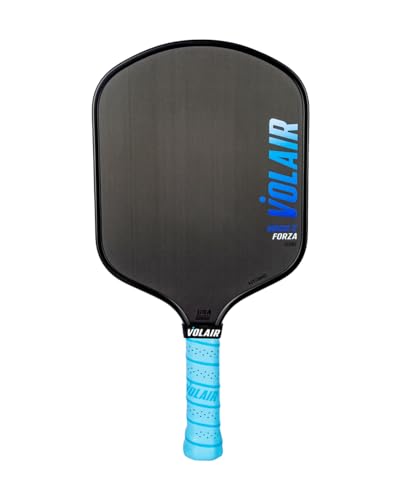
Quick Take
Plays wider and more forgiving than most, so off-center shots don’t punish you. Control feels instinctive, spin is genuinely good, and it stays consistent whether you’re at the net or hitting hard from the back. Solid all-around.
Key Specs
- Core: 16mm polymer honeycomb
- Face: Toray T700 carbon fiber
- Weight: 7.9-8.1 oz
- Shape: Standard
- Handle: 5.25″
| ✅ Pros | ❌ Cons |
|---|---|
| Forgiving on off-center hits | Less power than premium picks |
| Strong spin at a budget price | 90-day warranty is too short |
Best For
Players past their starter paddle who want elite spin without the premium price tag. All-court players who want versatility and real spin performance (2,168 RPM) without the markup—ideal for those valuing control and consistency over pure power.
Honorable Mentions
Honolulu J2FC+ brings foam core technology at a mid-range price with a massive sweet spot and excellent consistency. Think of it as the CRBN’s more accessible cousin.
11SIX24 Pegasus Jelly Bean delivers shocking spin under $100—perfect for developing players who want to start adding serious rotation without a big investment.
Paddle Specs
| Paddle | Category | Shape | Weight | Core | Face | Power | Control | Spin | Sweet Spot | Price |
|---|---|---|---|---|---|---|---|---|---|---|
| Genesis 4 | Best Overall | Hybrid | 8.25 Oz | 14Mm Foam | T700/Fibergls | Med-High | High | High | Medium | $$$ |
| Hurricane | Runner Up | Widebody | 7.94 Oz | 16Mm PolyHex | T700 Carbon | Medium | High | High | Huge | $$ |
| Mach 2 | Budget Pick | Widebody | 8.0 Oz | 16Mm PolyFoam | T700 Carbon | Med-High | High | High | Large | $$ |
Buying Guide
Surface Material
Raw carbon fiber surfaces generate more spin than fiberglass or composite materials. The rough texture grabs the ball longer during contact, allowing you to add rotation to serves, drives, and dinks. Carbon fiber also offers a larger sweet spot and softer feel. Fiberglass provides more power but less forgiveness on off-center hits.
Core Construction
Foam cores maintain consistent performance longer than polymer honeycomb cores. Traditional polymer cores develop dead spots over months of play, while foam cores resist compression damage. Many foam paddles include lifetime core warranties. Polymer cores still perform well for recreational players and cost significantly less.
Paddle Shape
Widebody paddles feature larger sweet spots, making them forgiving for developing players. Standard shapes offer better reach and maneuverability at the net. Hybrid shapes balance both characteristics. Choose based on whether you prioritize consistency or court coverage.
Weight Distribution
Paddles between 7.8-8.1 ounces provide enough mass to generate spin without sacrificing hand speed. Lighter paddles move faster but require more wrist action for spin. Heavier options generate momentum naturally but tire your arm during long sessions.
Mistakes
Chasing maximum spin ratings without considering control leads to erratic shot placement. High spin means nothing if you cannot direct the ball consistently.
Buying paddles endorsed by professional players often disappoints recreational players. Pros play at 5.0+ skill levels with techniques most players have not developed. Select equipment matching your current ability, not aspirational play styles.
Assuming price equals quality causes overspending. Several mid-range paddles deliver spin performance comparable to premium options. Research independent testing data rather than relying on marketing claims.
Final Verdict
If spin is your priority, get the CRBN TruFoam Genesis 4 — it’s the only paddle here built to stay consistent months down the road, not just on day one. The PIKKL is the move for touch players who want premium feel without the top-shelf price. And honestly? The Volair holds its own against paddles twice its cost. Pick by budget, not just by brand.
FAQs
Can beginners benefit from spin paddles?
Absolutely, but prioritize control first. Beginners benefit more from forgiving sweet spots than extreme spin. Once you develop consistent contact and placement around 3.0-3.5 level, then upgrade to a maximize spin potential.
Can I add more texture to my paddle?
Technically yes, but it’s illegal in sanctioned play. USA Pickleball prohibits surface modifications. If you want more spin, choose a grittier paddle rather than risking tournament disqualification by altering your current one.
What’s the difference between topspin and slice?
Topspin makes the ball dive quickly after clearing the net—great for aggressive shots. Slice (backspin) keeps the ball low and slow, perfect for drops and resets. Spin paddles excel at both when you master technique.
What’s a realistic spin rate for these paddles?
Elite spin paddles generate 2,000-2,400+ RPM in testing. For context, average paddles produce 1,400-1,800 RPM. That extra rotation translates to better ball control, sharper angles, and more shot-shaping options during play.
Is the CRBN TruFoam Genesis 4 good for beginners?
It’s better suited for intermediate to advanced players. The tight sweet spot rewards clean contact, which beginners haven’t developed yet. Start with something more forgiving, then move up to the Genesis 4.
Is the PIKKL Hurricane Pro good for power players?
Honestly, no. This paddle is built for touch, placement, and spin — not blasting winners. If you rely on big drives to win points, you’ll feel like you’re missing firepower with this one.
Does the Volair Mach 2 Forza work for all skill levels?
Pretty much. Its wide shape makes it accessible for developing players, while the spin and control ceiling keeps intermediate and advanced players satisfied too. Most versatile pick in this roundup.