

The best thermoformed pickleball paddles on the market deliver unmatched durability through unibody construction that traditional paddles cannot match.
This guide breaks down leading models by durability, power, and control features. Compare specifications and player profiles to choose the right thermoformed paddle for your needs.
Top 3 Paddles
| Paddle | Category | Best For | Strength | Price |
|---|---|---|---|---|
| Honolulu | Best Overall | Intermediates | Forgiving | $$ |
| 6.0 | Runner Up | Advanced | Spin | $$ |
| Volair | Budget Pick | Advanced | Spin | $$ |
Best Overall
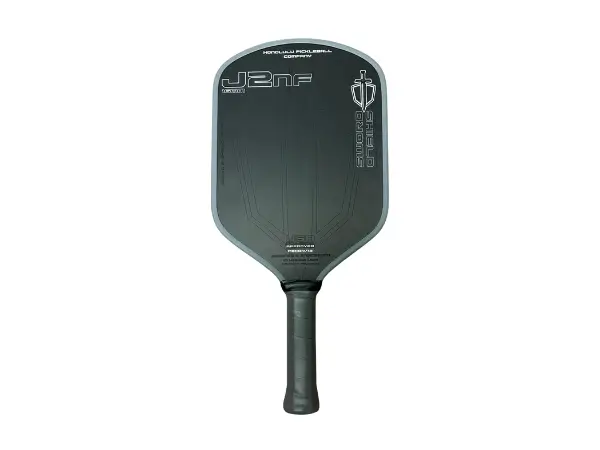
Quick Take
The J2NF might be the most forgiving thermoformed paddle out there right now. It handles mishits like they’re nothing, generates spin effortlessly, and gives you genuine pop when you go on offense. Hard to beat as an everyday paddle.
Key Specs
- Core: 16mm full foam
- Face: Raw carbon fiber/fiberglass blend
- Weight: 8.0-8.3 oz
- Shape: Hybrid
- Handle: 5.25″
| ✅ Pros | ❌ Cons |
|---|---|
| Massive, forgiving sweet spot | Fiberglass pop splits opinions |
| Great spin and pop | Not ideal for delicate shots |
Best For
Players who want one paddle that does it all — from casual rallies to competitive play. Works especially well if you struggle with mishits or need a reliable option that doesn’t punish off-center contact.
Runner-Up
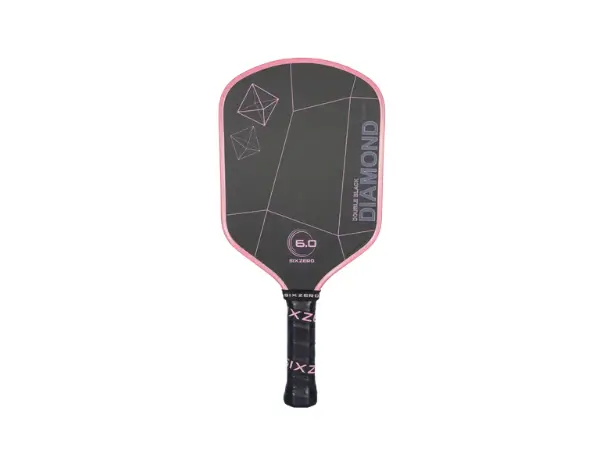
Quick Take
The DBD Control is a spin-first, all-court paddle that actually delivers on its promise. It’s less stiff than most thermoformed options, plays with real precision, and holds up well. The grip in hot weather is the one weak spot.
Key Specs
- Core: 16mm thermoformed polymer
- Face: Toray 700K raw carbon fiber
- Weight: 8.0-8.2 oz
- Shape: Elongated
- Handle: 5.5″
| ✅ Pros | ❌ Cons |
|---|---|
| Elite spin and placement | Grip gets slippery in heat |
| Less stiff, more feel | Poppy for a control paddle |
Best For
Advanced players (4.0+) who prioritize spin and accurate placement over raw power. Also great for doubles players who live at the kitchen — the precision and reset ability here is genuinely impressive.
Budget Pick

Quick Take
The Mach 1 Forza is a capable advanced paddle that punches above its budget-pick status. Great spin, decent power, and solid build quality. But the small sweet spot and stiff feel mean it rewards skilled hands more than forgiving ones.
Key Specs
- Core: 16mm polypropylene honeycomb
- Face: T700 raw carbon fiber
- Weight: 7.9 oz
- Shape: Elongated
- Handle: 5.5″
| ✅ Pros | ❌ Cons |
|---|---|
| Reliable spin generation | Small, punishing sweet spot |
| Durable, quality build | Stiff feel, hard on mishits |
Best For
Experienced 4.0+ players who can work around a demanding sweet spot. If you have clean, consistent mechanics and want reliable spin with solid power, this paddle won’t let you down. Not the right fit for anyone still developing their game.
Paddle Specs
| Paddle | Category | Shape | Weight | Core | Face | Power | Control | Spin | Sweet Spot | Price |
|---|---|---|---|---|---|---|---|---|---|---|
| Honolulu | Best Overall | Hybrid | 8.0-8.3 Oz | EPP/EVA Foam | Carbon/FG | High | High | High | Huge | $$ |
| 6.0 | Runner Up | Hybrid | 8.0-8.2 Oz | PP Honeycomb | Toray 700K CF | High | High | High | Large | $$ |
| Volair | Budget Pick | Elongated | 7.9 Oz | PP Core | T700 Carbon | Med-High | Medium | High | Small | $$ |
Buying Guide
Understand Thermoforming
Thermoformed paddles use heat and pressure to create a single unibody construction. Foam gets injected into the edges, expanding the sweet spot and adding perimeter weight. You get more forgiveness, consistent power, and better durability than traditional sandwich-built paddles.
Core Type
Full-foam cores eliminate core crushing completely—no collapsing honeycomb cells over time. Foam-enhanced cores with honeycomb offer similar benefits with different feedback. Both outlast traditional construction. Foam typically lasts longer.
Thickness Selection
Choose 16mm cores for control-oriented play. The extra thickness absorbs energy better, increasing dwell time. This helps with touch shots and resets at the net.
Face Material
Carbon fiber provides more dwell time and spin potential. Fiberglass adds pop and stiffness. Your choice depends on whether you prioritize spin generation or immediate power response.
Power Balance
Modern thermoformed paddles offer both power and control. Look for 16mm thickness if soft hands matter. The “power only” stereotype no longer applies—designs like control-focused thermoformed paddles prove you can have both.
Mistakes
Assuming Uniformity
Not all thermoformed paddles feel identical. Face material dramatically changes performance characteristics. Carbon versus fiberglass creates entirely different playing experiences.
Break-In-Period
Most thermoformed paddles need 5-10 hours before reaching optimal performance. The materials settle and the paddle finds its true characteristics during this period.
Following Pros
Professional players choose paddles that maximize existing strengths. You need equipment that covers weaknesses and supports skill development. Their needs differ from recreational and intermediate players.
Final Verdict
The Honolulu J2NF works for players at every level—explosive power when attacking, soft touch at the net, forgiving on mishits. All-foam construction outlasts honeycomb alternatives while the oversized sweet spot keeps errant shots in play. It’s the most versatile thermoformed paddle available right now.
FAQs
Why are thermoformed paddles more expensive?
The manufacturing process requires specialized equipment, heat molding, and precise foam injection. You’re paying for advanced construction that eliminates core crushing, expands sweet spots, and lasts significantly longer than traditional $80-$120 paddles.
What’s the difference between foam and honeycomb cores?
Foam cores eliminate core crushing entirely and provide more consistent performance over time. Honeycomb cores (even thermoformed versions) can eventually collapse. Foam typically offers better durability but may feel slightly different than traditional honeycomb paddles.
Will thermoformed paddles become the new standard?
Likely, yes. The technology solves core crushing problems that plague traditional paddles. As manufacturing scales up and prices drop slightly, more players will switch. Traditional paddles won’t disappear, but thermoformed is clearly the direction technology’s heading.
Are thermoformed paddles USAPA approved for play?
Yes, all quality thermoformed paddles meet USAPA specifications. However, some aggressive raw carbon models may wear down quickly and eventually exceed surface roughness limits. Check manufacturer compliance statements and replacement policies before tournament use.