

Polymer core paddles dominate pickleball because they deliver consistent performance at every skill level. The best polymer pickleball paddles combine proven honeycomb construction with modern face materials for excellent spin, control, and durability. Whether you prioritize touch at the net or power from the baseline, polymer technology offers reliable performance without the premium price of thermoformed options.
This guide helps you choose the right paddle for your playing style and skill level.
Top 3 Paddles
| Paddle | Category | Best For | Strength | Price |
|---|---|---|---|---|
| J2NF | Best Overall | Intermediates | Balanced | $$ |
| Mach 2 | Runner Up | Net Players | Control | $$ |
| Prism | Budget Pick | Rec Players | Spin | $ |
Best Overall Paddle
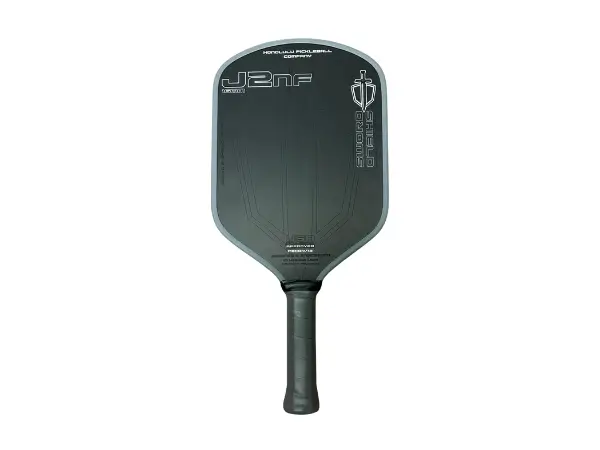
Quick Take
Big sweet spot means fewer ugly mishits, and it handles both soft game and drives without feeling like a compromise. If you want one paddle that doesn’t make you choose between touch and power, this is it.
Key Specs
Core: 16mm notched foam
Face: Raw carbon fiber/fiberglass blend
Weight: 8.0-8.3 oz
Shape: Hybrid
Handle: 5.25″
| ✅ Pros | ❌ Cons |
|---|---|
| Forgiving on mishits | Short handle for some |
| Works all over the court | Not a pure power paddle |
Best For
Intermediate to advanced players who want an all-court paddle that doesn’t force them to pick sides. If you play both soft dinks and aggressive drives in the same point, this one keeps up with you.
Runner-Up
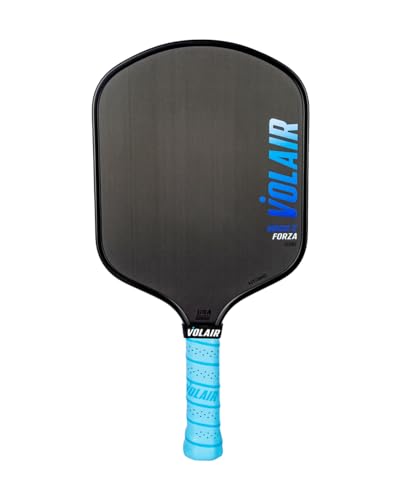
Quick Take
This one’s made for players who’ve figured out that placement wins games. It’s quiet at the kitchen line — soft, precise, and predictable. If you want a paddle that does exactly what you ask it to, the FORZA delivers.
Key Specs
Core: 16mm polymer honeycomb
Face: Raw T700 carbon fiber
Weight: 8.0 oz
Shape: Widebody
Handle: 5.5″
| ✅ Pros | ❌ Cons |
|---|---|
| Precise at the kitchen line | Punishing on mishits |
| Excellent feel on dinks | Weak from the baseline |
Best For
Players who’ve moved past trying to overpower everyone and just want to outplace them instead. Best for kitchen line specialists and anyone who needs that soft-touch consistency to run their game.
Budget Pick

Quick Take
It punches well above its tier with solid spin and a feel that’ll surprise you. If you’re stepping up from a beginner paddle and want something that doesn’t embarrass you in a real match, this works.
Key Specs
Core: 16mm foam-injected polymer
Face: Toray T700 raw carbon fiber
Weight: 7.9-8.2 oz
Shape: Hybrid
Handle: 5.25″
| ✅ Pros | ❌ Cons |
|---|---|
| Good spin for the tier | Wears faster than premium |
| Easy to swing quickly | Less refined feel overall |
Best For
Players moving up from their first paddle who want real performance without overthinking the jump. Casual players who just want to compete and enjoy the game without fussing over gear will find this hits the mark.
Honorable Mentions
The JOOLA Perseus Pro IV brings pro-level power with thermoformed construction and Tech Flex-Power technology, making it particularly effective for aggressive players who attack from the baseline.
Paddle Specs
| Paddle | Category | Shape | Weight | Core | Face | Power | Control | Spin | Sweet Spot | Price |
|---|---|---|---|---|---|---|---|---|---|---|
| J2NF | Best Overall | Hybrid | 8.0-8.3 Oz | 16mm Foam | Carbon/FG | High | High | High | Huge | $$ |
| Mach 2 | Runner Up | Widebody | 8.0 Oz | 16mm PP Honey | T700 Carbon | Med-High | High | High | Large | $$ |
| Prism | Budget Pick | Hybrid | 7.9-8.2 Oz | 16mm C7 Poly | T700 Carbon | Medium | High | Med-High | Large | $ |
Buying Guide
Core Thickness
Polymer cores use honeycomb construction for durability and control. Choose 16mm cores for better touch and softer feel at the net. Pick 14mm cores for more power on drives and baseline play. Most intermediate players benefit from 16mm thickness.
Face Material
Raw carbon fiber creates micro-texture that grips the ball for spin. This helps you shape shots with topspin or slice. Fiberglass feels softer and more forgiving but wears faster. Carbon delivers better longevity and performance.
Weight Balance
Total weight matters less than balance. Paddles around 8.0-8.2 ounces offer stability for drives without sacrificing quick hands. Lighter options (7.5-7.9 oz) move faster at the net. Heavier paddles (8.2+ oz) provide power and punch through the ball.
Paddle Shape
Widebody paddles maximize sweet spot size, reducing mishit penalties and improving consistency. Hybrid shapes balance reach and control for all-court play. Elongated designs extend reach but reduce sweet spot area, requiring more precise contact.
Mistakes
Overspending Early
Expensive paddles cannot fix technical flaws or poor court positioning. Equipment upgrades provide minimal improvement without proper fundamentals. Develop stroke mechanics and strategy first, then invest in better gear when your skills justify the purchase.
Copying Pros
Professional players use paddles optimized for 5.0-plus level play with requirements completely different from recreational players. Their equipment choices reflect advanced techniques and playing styles that do not translate to intermediate levels. Choose based on your actual skill level and playing preferences.
Trusting Marketing
Newer technology does not automatically outperform established designs. Proven polymer core construction often delivers better results than gimmicky innovations. Evaluate paddles based on measurable performance characteristics like spin generation, sweet spot size, and durability rather than marketing claims.
Skipping Demos
Buying without testing means guessing about feel and playability. Individual preferences significantly affect how paddles perform in your hands. Demo programs let you try options before purchasing, preventing expensive mistakes and ensuring compatibility with your playing style.
Final Verdict
The Honolulu J2NF is the clear pick. Its ability to forgive off-center contact while still rewarding deliberate placement is what separates it from paddles that do one thing well.
The Volair Mach 2 FORZA is the right call if your game lives at the kitchen line, and the Vatic Pro Prism is a legitimate step up from beginner gear.
Pick the one that fits your game — not someone else’s.
FAQs
How long do polymer paddles typically last?
Quality polymer paddles last 12-18 months with regular play. Core compression and face wear determine lifespan. Heavy hitters might see 8-12 months, while control players can extend beyond two years with proper care.
Do polymer paddles lose pop over time?
Absolutely. Polymer honeycomb compresses gradually with impact, reducing energy return. You’ll notice less pop after 6-9 months of regular play. This “deadening” happens faster with aggressive play styles and mishits.
Do pros actually use polymer paddles anymore?
Some still do, especially control specialists, but thermoformed technology dominates pro circuits now. Polymer remains popular among recreational and intermediate players who prioritize value and proven reliability.
What causes the ‘thud’ sound on some paddles?
Dense foam-injected cores create deeper sounds versus traditional honeycomb’s sharper pop. Sound doesn’t indicate quality—it’s purely about core density. Some players prefer quieter paddles for early morning neighborhood play.
Are expensive polymers worth the premium?
Depends on your level. Advanced players notice quality differences immediately. Beginners won’t benefit from $200 paddles versus $120 options. Invest more as skills improve and you understand your playing preferences better.
Related Articles
- How to Choose a Pickleball Paddle
- Best Pickleball Paddles
- Volair Mach 2 FORZA Review
- JOOLA Perseus Pro IV Review
- How Long Do Pickleball Paddles Last