

Control separates intermediate players from beginners. The best pickleball paddles for control usually combine a stable core, a grippy face for spin, and weight distribution that helps you stay calm in fast hands battles. Some lean plush and forgiving. Others give you a little more pop.
This guide examines paddles designed specifically for touch-based gameplay, helping you select equipment that improves placement accuracy and soft shot execution without sacrificing point-finishing ability.
Top 3 Paddles
| Paddle | Category | Best For | Strength | Price |
|---|---|---|---|---|
| B&B Loco | Best Overall | Advanced | Reach | $$ |
| Six Zero | Runner Up | Control Players | Forgiving | $$ |
| Jelly Bean | Budget Pick | 4.5 and Under | Touch | $ |
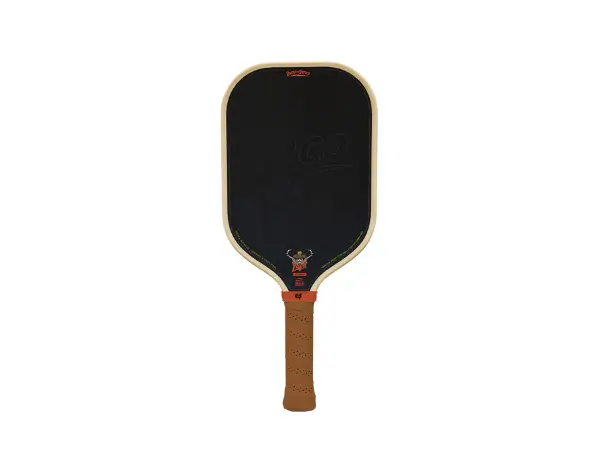
Best Overall

Quick Take
Big sweet spot for an elongated, real pop behind your shots, enough spin to keep opponents guessing. It’s the heaviest Loco shape — but that extra reach feels worth it once you dial in your swing.
Key Specs
- Core: 16mm full foam
- Face: Raw carbon fiber
- Weight: 7.8-8.0 oz
- Shape: Hybrid
- Handle: 5.5″
| ✅ Pros | ❌ Cons |
|---|---|
| Great reach and range | Heavy for long sessions |
| Real pop and spin | Less forgiving on mishits |
Best For
Players who want serious reach and like attacking from the back. You need solid form to get the most out of it — less forgiving than the widebody, but it rewards good mechanics.
Runner-Up
Quick Take
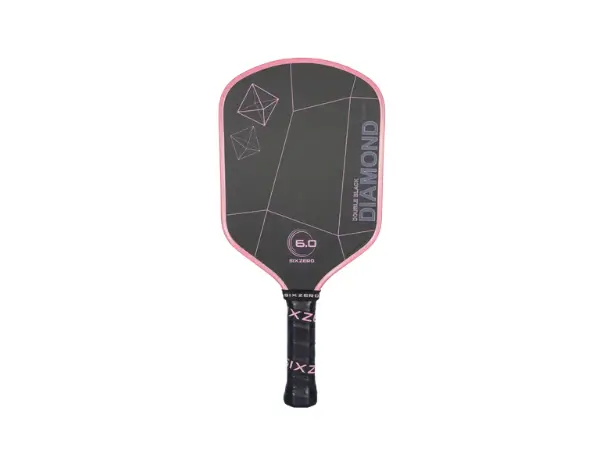
Soft, responsive, and surprisingly forgiving. The 16mm gives you that dialed-in feel at the kitchen line without sacrificing pop. Spin is legit, control is real. Handles resets cleanly. Not flashy — just works.
Key Specs
- Core: 16mm thermoformed polymer
- Face: Carbon fiber with proprietary texture
- Weight: 8.0-8.2 oz
- Shape: Hybrid
- Handle: 5.5″
| ✅ Pros | ❌ Cons |
|---|---|
| Very forgiving at the net | Won’t generate big pace |
| Reliable spin and placement | Wide weight variance |
Best For
Players who win through patience and placement rather than raw power. If control at the net is your priority and you want spin that actually grips, this paddle fits your game naturally.
Budget Pick

Quick Take
Stable, responsive, and easy to trust. The Jelly Bean gives you control at the kitchen, enough pop to stay honest, and a longer handle that feels natural on two-handed backhands.
Key Specs
- Core: 16mm
- Face: T700 carbon/CFC Surface
- Weight: 8.0–8.3 oz
- Shape: Widebody
- Handle 5.75″
| ✅ Pros | ❌ Cons |
|---|---|
| Control-first feel | Not power-forward |
| Long 5.75″ handle | Less reach |
Best For
Players under 4.5 who win with placement, resets, and patience. If you want control, a roomy handle, and a paddle that doesn’t rush the point, this fits.
Paddle Specs
| Paddle | Category | Shape | Weight | Core | Face | Power | Control | Spin | Sweet Spot | Price |
|---|---|---|---|---|---|---|---|---|---|---|
| B&B Loco | Best Overall | Elongated | 7.8-8.0 Oz | 16mm Foam | T700+Glass | Med-High | Med-High | High | Large | $$ |
| Six Zero | Runner Up | Hybrid | 8.0-8.2 Oz | 16mm Polymer | T700 Carbon | Med-High | High | High | Large | $$ |
| Jelly Bean | Budget Pick | Widebody | 8.0-8.3 Oz | 16mm | T700 Carbon | Medium | High | Med-High | Large | $ |
Buying Guide
Core Thickness
Thicker cores absorb more ball energy. Paddles with 16mm or thicker cores soften touch shots naturally. A 20mm core provides maximum control for dinks and drops. Thinner cores (14mm) require more player skill but offer better power generation.
Construction Type
Thermoformed paddles provide consistent performance over time. Traditional foam-filled cores feel softer immediately but may lose characteristics faster. Both construction methods work for control-oriented play. Choose based on durability priorities and touch preference.
Face Material
Raw carbon fiber surfaces grip the ball effectively. Increased surface friction generates more spin. Spin adds shot-shaping capability and control. Textured faces maintain performance longer than smooth surfaces.
Weight Distribution
Head-light paddles improve maneuverability at the net. Even-weight paddles balance power and touch. Heavier paddles (8.0+ oz) provide stability on contact. Lighter options (7.6-7.9 oz) speed up hand exchanges.
Handle Length
Standard 5.5-inch handles suit most players. Longer handles improve two-handed shots and reach. Shorter handles increase paddle face size. Consider your grip style when selecting handle length.
Mistakes
Prioritizing Softness
Extremely soft paddles reduce finishing ability. Control requires balance between touch and power. Players need pace generation to complete points. Test paddles for all-court capability before purchasing.
Ignoring Break-In Period
Most control paddles require 5-10 hours of play. Performance characteristics develop gradually. Initial impressions may not reflect true paddle behavior. Allow adequate time before final evaluation.
Copying The Pros
Advanced players have different physical abilities and playing styles. Professional endorsements reflect sponsored relationships. Recreational players benefit from different paddle characteristics. Select paddles matching your actual skill level.
Overlooking Value Options
Premium pricing does not guarantee superior performance. Mid-range paddles often provide excellent control characteristics. Budget-conscious purchases allow more frequent paddle updates. Price reflects brand positioning as much as technology.
Final Verdict
The Bread & Butter Loco is still the top pick if you want reach, pressure, and a little more bite on full swings.
The Six Zero Double Black Diamond Control is the safer call for players who want forgiveness and easy control at the kitchen.
The 11SIX24 Pegasus Jelly Bean fits the value/control lane nicely — especially for players under 4.5 who want a stable, control-first paddle with a longer handle and a more manageable all-court feel.
None of these are bad choices. It really comes down to whether you win points through reach, forgiveness, or pure shot placement.
FAQs
Should beginners start with control paddles?
Actually, yes—if they’re willing to develop proper technique. Control paddles teach you to swing through the ball rather than relying on paddle power. You’ll build better habits from day one, though you’ll need slightly more effort on drives initially.
Can I add lead tape without ruining control?
Yes, but placement matters. Add weight at 3 and 9 o’clock positions to increase stability without killing maneuverability. Avoid adding weight to the top—it’ll make quick hands at the net much harder and defeat the control paddle’s purpose.
Do control paddles work well for singles play?
They can, but it’s tougher. Singles demands more court coverage and power for passing shots. If you play mostly singles, consider a slightly thinner core (14mm) for better power balance while maintaining reasonable touch and shot placement control.
What paddle shapes offer the best control?
Standard and hybrid shapes typically offer better control than elongated. They position the sweet spot closer to your hand, making touch shots more intuitive. Elongated paddles add reach but require more adjustment for precise dinking and drop shots.
How does paddle balance affect my control?
Head-light paddles offer better control—weight’s closer to your hand for faster adjustments. Head-heavy paddles add power but reduce maneuverability. For control-focused play, you want balance point around 7-7.5 inches from handle end for optimal quick hands and touch.