

All-court paddles balance power and control for players who refuse to specialize. The best all-court pickleball paddles adapt to every situation—driving from the baseline, resetting at the kitchen, or finishing overhead. These versatile designs handle aggressive and defensive play equally well.
This guide compares three proven options across price points and helps you choose based on sweet spot size, core thickness, and face materials.
Top 3 Paddles
| Paddle | Category | Best For | Strength | Price |
|---|---|---|---|---|
| Honolulu J2K | Best Overall | Intermediates | Forgiving | $$ |
| Apes – Pulse V | Runner-Up | Control Players | Control | $$ |
| Jelly Bean | Budget Pick | Beginners | Soft Feel | $ |
Best Overall
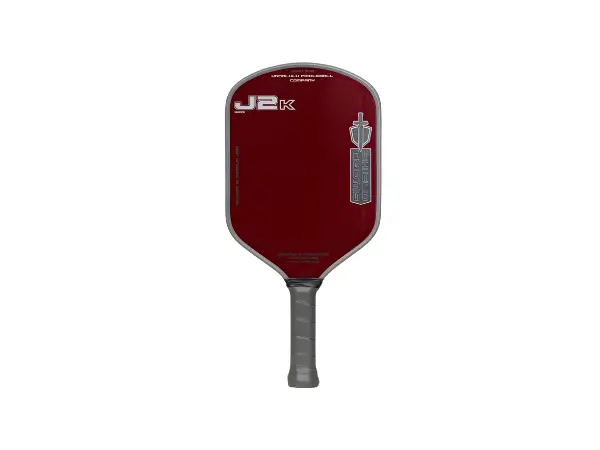

Quick Take
Mishits still land where you aimed — that’s the biggest thing here. It’s stable, forgiving, and genuinely easy to trust whether you’re just starting out or already playing competitively. Hard to outgrow.
Key Specs
- Core: 16mm thermoformed polymer
- Face: 100% Kevlar fiber
- Weight: 8.0-8.4 oz
- Shape: Hybrid
- Handle: 5.5″
| ✅ Pros | ❌ Cons |
|---|---|
| Forgiving on mishits | Heavy for quick net play |
| Kevlar face lasts longer | Short handle limits backhand |
Best For
Built for players who want control without babying every shot. The wider face catches more of your mistakes, the spin game is solid, and it’s light enough to keep up at the kitchen.
Runner-Up
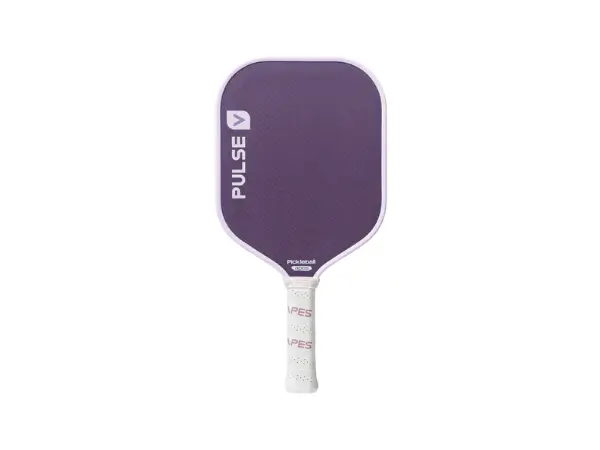
Quick Take
Big sweet spot that actually forgives off-center hits. Control feels honest — real touch feedback on every shot, not just a mushy thud. Spin comes naturally, and there’s enough pop to stay competitive without babying it.
Key Specs
- Core: 16.5mm thermoformed core
- Face: Aramid/Nylon blend
- Weight: 8.2-8.4 oz
- Shape: Widebody
- Handle: 5.25″
| ✅ Pros | ❌ Cons |
|---|---|
| Big sweet spot forgives errors | Less spin than Kevlar |
| Soft, responsive feel | Short handle, less reach |
Best For
Players who want a bigger margin for error without losing feel at the net. Great for intermediate and up — especially if you play a patient, placement-focused game and aren’t chasing big pop on every shot.
Budget Pick

Quick Take
Soft, forgiving, and genuinely easy to play well with. This paddle makes your dinks, drops, and resets feel almost effortless. It won’t win any power contests, but if control and consistency are your thing — it just quietly delivers.
Key Specs
- Core: 16mm thermoformed core
- Face: Carbon fiber
- Weight: 8.0-8.3 oz
- Shape: Widebody
- Handle: 5″
| ✅ Pros | ❌ Cons |
|---|---|
| Excellent for dinks and resets | Low power on hard drives |
| Very light and easy to swing | Very short 5 inch handle |
Best For
Doubles players who want to own the kitchen. If precision, soft shots, and consistency matter more to you than raw power, this paddle fits like it was made for your game. Also a natural fit for beginners or anyone still ironing out the unforced errors.
Paddle Specs
| Paddle | Category | Shape | Weight | Core | Face | Power | Control | Spin | Sweet Spot | Price |
|---|---|---|---|---|---|---|---|---|---|---|
| Honolulu J2K | Best Overall | Hybrid | 8.0-8.4 Oz | 16mm PP | Kevlar | Medium | High | High | Large | $$ |
| Apes – Pulse V | Runner-Up | Widebody | 8.2-8.4 Oz | 16.5mm Poly | Aramid/Nylon | Medium | High | Med-High | Large | $$ |
| Jelly Bean | Budget Pick | Widebody | 8.0-8.3 Oz | 16mm Polymer | CF/Fiberglass | Med-Low | High | Med-High | Large | $ |
Buying Guide
Sweet Spot
Larger sweet spots forgive off-center hits. Most mishits happen outside the center, so forgiveness matters more than perfect contact. Thermoformed paddles like the J2K offer the largest sweet spots. Widebody shapes increase the hitting area vertically.
Power Balance
All-court paddles blend power and control but lean one direction. Control-focused paddles excel at the kitchen line. Power-focused options finish points faster. Balanced designs like the Jelly Bean split the difference. Match the paddle to your natural playing style.
Core Thickness
Thickness determines feel and response. 16mm cores provide better control and softer touch for resets and drops. 14mm cores add power but reduce precision. 16.5mm cores maximize control for finesse players. All-court performance requires 16mm minimum.
Face Material
Materials affect spin and durability. Kevlar generates maximum spin and lasts longest. Carbon fiber balances performance with affordability. Aramid blends create softer feel with moderate spin. All three materials work for all-court play.
Weight Range
Weight affects power and maneuverability. 7.4-7.8 oz paddles swing faster with less fatigue. 7.8-8.2 oz paddles generate more pop on drives. Stay within the 7.4-8.2 oz range for balanced all-court performance.
Mistakes
Hype Chasing
New paddles launch monthly with breakthrough technology claims. Most improvements are minor refinements. Established paddles with thousands of user reviews provide reliable performance data. Avoid unproven releases until real players confirm the marketing promises.
Price Extremes
The cheapest options wear quickly and hurt skill development. Premium paddles target advanced players with specialized needs. Focus on performance per dollar spent. Mid-range options often deliver the best value for improving players.
Future Buying
Buying above your level wastes features you can’t use yet. Buying below your level creates frustration and limits growth. Match paddles to current ability. Quality all-court designs work across 3.0 to 4.5 skill ranges without outgrowing quickly.
Ignoring Specs
Heavy paddles generate power but tire arms and slow reactions. Light paddles feel quick but lack drive power. Wrong grip sizes reduce wrist mobility and cause discomfort. Physical specifications matter as much as performance claims.
Final Verdict
The Honolulu J2K delivers complete performance across all situations without compromise. It adapts to your game rather than forcing adjustments. The Pulse V dominates for control-first players who prioritize precision over power. The Jelly Bean offers legitimate quality without premium pricing.
FAQs
Are elongated paddles good for all-court play?
Elongated paddles sacrifice sweet spot size for extra reach, making them less ideal for true all-court versatility. Standard or hybrid shapes work better because consistent performance across the face matters more than marginal reach advantage.
Do professional players use all-court paddles?
Many pros use all-court designs because tournament play demands adaptability. They might tweak specifications slightly, but the fundamental balance philosophy remains. Specialized paddles work only when you control game pace and style completely.
How does swing weight differ from static weight?
Swing weight measures how heavy a paddle feels during motion—affected by weight distribution and balance point. Static weight is just scale weight. Two 8.0 oz paddles can feel dramatically different when swinging.
Do all-court paddles work for aggressive play?
Yes, especially power-leaning options like the J2K. While specialized power paddles hit slightly harder, all-court paddles provide enough pop for aggressive play while maintaining the control needed when opponents counter your attacks effectively.