

The best pickleball paddle for kids is the one that matches their age, hand size, and strength.
This guide is for parents buying for kids from 3 to 18, whether they’re just knocking the ball around at home or starting to compete, and it narrows things down to five smart age-based picks focused on comfort, control, and durability.
Top 3 Paddles
| Paddle | Category | Best For | Price |
|---|---|---|---|
| Dany x Kevin | Ages 3-5 | Kids | $ |
| Forte | Ages 6-7 | Beginners | $$ |
| V300 Youth | Ages 8-10 | Youth | $$ |
| Megalodon | Ages 11-13 | Juniors | $$ |
| Prism Flash | Ages 14-18 | Juniors | $$$ |
Best Kids Paddle for Ages 3-5

Quick Take
If your kid is tiny and brand new, this makes sense. It’s light, easy to move, and a lot less likely to feel awkward right away.
Key Specs
- Weight: 6 oz
- Grip Length: 4.25”
| ✅ Pros | ❌ Cons |
|---|---|
| Very easy to swing | Small hitting area |
| Fun kid-friendly look | Outgrown pretty fast |
Best For
Little kids ages 3-5 who are just starting and need something they can actually swing without getting tired fast.
Best Kids Paddle for Ages 6-7

Quick Take
This is where things start to feel more serious. It’s balanced, forgiving, and a better fit for kids who are improving fast.
Key Specs
- Weight: 7 oz
- Grip Length: 4.75”
- Tournament legal: yes
| ✅ Pros | ❌ Cons |
|---|---|
| Nice balance overall | Grip may run small |
| Forgiving on misses | May feel small at 10 |
Best For
Kids ages 8-10 who play a few times a week and want better control without jumping too far ahead.
Best Kids Paddle for Ages 8-10
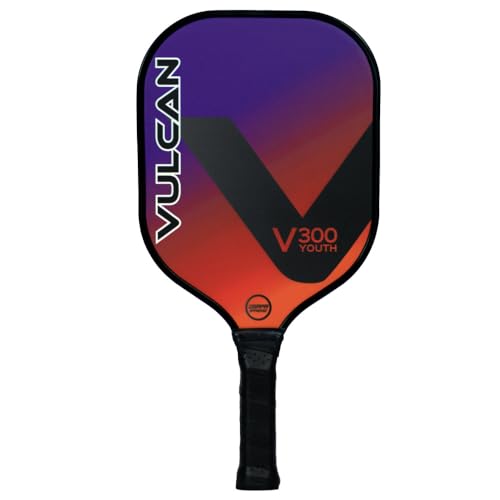
Quick Take
For pre-teens getting competitive, this feels more locked-in and dependable when the pace picks up and points get scrappier.
Key Specs
- Weight: 6.7 oz
- Grip Length: 4.75”
- Tournament legal: yes
| ✅ Pros | ❌ Cons |
|---|---|
| Stable under pressure | Too much for casual play |
| Ready for tournaments | Needs real commitment |
Best For
Pre-teens ages 11-13 who are competing now, or pretty clearly heading that way soon.
Best Junior Paddle for Ages 11-13

Quick Take
For pre-teens getting competitive, this feels more locked-in and dependable when the pace picks up and points get scrappier.
Key Specs
- Weight: 7.3 oz
- Grip Length: 4.75”
- Tournament legal: yes
| ✅ Pros | ❌ Cons |
|---|---|
| Stable under pressure | Too much for casual play |
| Ready for tournaments | Needs real commitment |
Best For
Pre-teens ages 11-13 who are competing now, or pretty clearly heading that way soon.
Best Junior Paddle for Ages 14-18

Quick Take
This is the adult-level jump. If a teen has real pace and solid form, this gives them room to grow instead of holding them back.
Key Specs
- Weight: 8.0 oz
- Grip Length: 5.4”
- Tournament legal: yes
| ✅ Pros | ❌ Cons |
|---|---|
| Handles hard play well | Too much for beginners |
| Strong, steady feel | Needs good form |
Best For
Teens ages 14-18 who compete, train seriously, or are clearly ready to move past junior paddles.
Buying Guide
The right paddle usually comes down to three things: weight, grip size, and skill level.
Start Light
Weight is the first thing to get right. If a paddle feels too heavy, kids lose control fast and tire out sooner.
Use the picks above as a simple guide:
- Ages 3-5: around 6 oz
- Ages 6-10: around 6.5 – 7.0 oz
- Ages 11-13: around 7.5 oz
- Ages 14-18: around 7.8 oz – 8.0 oz
If you’re unsure, go with the lighter option.
Check Grip
A paddle should feel easy to hold, not bulky in the hand.
Quick test: Have your child grip it normally. There should be a little space between their fingers and palm. Too much space usually means the grip is too big.
Think Fit
Don’t just buy by age label. Around ages 8-9, some kids may do better with a lightweight adult paddle if they’re getting stronger and making cleaner contact.
Mistakes
Design First
Yeah, kids care about how their paddle looks, but a paddle that plays poorly won’t get used, no matter how cool the graphics are. Find good performance first, then look for appealing designs within that category.
Budget Trap
Ultra-budget paddles (under $20) are often too heavy, poorly constructed, or both. You don’t need the most expensive option, but invest enough to get decent materials and construction.
Future Sizing
A paddle that’ll be perfect in six months is useless today. Your kid needs gear that works right now. Buy for their current size and skill level, then upgrade later if needed.
Final Verdict
The top pick is the paddle that fits your kid right now, not the most advanced one on the shelf. When the fit feels natural, kids play better, learn faster, and are a lot more likely to stick with it. If you’re stuck between two options, choose the one that’s easier for them to handle today.
FAQs
Should kids practice with foam balls initially?
High-density foam practice balls reduce impact fear by 70% for beginners while teaching proper swing mechanics. They fly 40% slower than regulation balls, allowing more reaction time. Transition to regulation balls once kids consistently track ball movement and demonstrate controlled swings during 10-rally exchanges.
How does three-number scoring confuse young beginners initially?
Traditional scoring announcing server score, opponent score, and server number (11-7-2) overwhelms kids under 8 who struggle tracking multiple numbers. Simplified rally scoring or counting total successful exchanges works better for ages 5-7. Introduce standard scoring around age 8-9 when number sequencing and memory skills sufficiently develop.
Do kids need special shoes for pickleball?
Court shoes with non-marking soles and lateral support work best, though many kids start playing in regular athletic sneakers. Avoid running shoes lacking lateral stability, as pickleball involves quick side-to-side movements. Once playing 2-3 times weekly, invest in proper court shoes to prevent ankle injuries and improve movement performance.
At what age should kids start using adult paddles?
Most kids transition to lightweight adult paddles around ages 12-14 when hand size and arm strength develop sufficiently. Look for adult paddles weighing 7.5-8 ounces maximum with 4-inch grip circumference. Physical development varies significantly, so prioritize comfortable grip and manageable weight over chronological age when making the switch.
Can toddlers under age 3 safely play pickleball?
Toddlers under 3 can participate in modified play using foam balls and ultra-lightweight paddles under 5 ounces. Focus on basic hand-eye coordination rather than actual gameplay. Supervise closely to prevent paddle swinging near faces. Most structured youth programs start at age 4-5 when children develop sufficient coordination and attention span.