

The best pickleball paddles for seniors are the ones that keep your arm comfortable, your shots controlled, and your game steady, with the Vatic Pro Prism V7 leading this group.
This guide is for older players who want less strain and more confidence on court. The picks focus on what matters most: manageable weight, a forgiving feel, hand comfort, and dependable placement.
Best Overall Senior Paddle
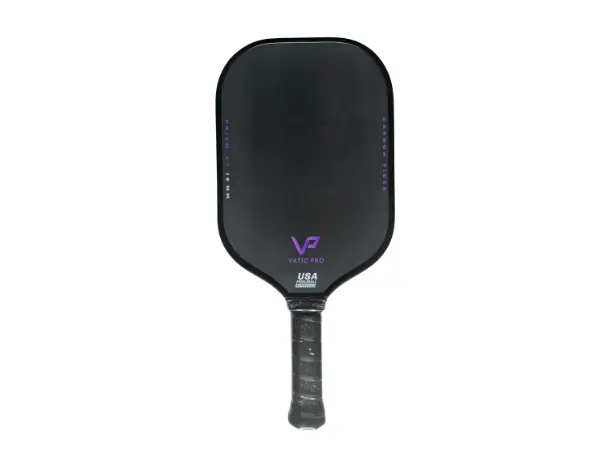
Quick Take
Steady, forgiving, and easy to trust. It leans control first, but it still gives you enough pace when you need to press a point.
Key Specs
- Weight: 8.1 oz
- Core/Tech: 16mm C7 polymer
- Face: T700 raw carbon
- Handle/Grip: 5.3 in handle
- Size: 16.5 x 7.5 in
| ✅ Pros | ❌ Cons |
|---|---|
| Big sweet spot | Not the lightest |
| Easy control | Can feel head-heavy |
Best For
Most seniors who want one paddle that feels comfortable, predictable, and solid in every part of the game.
Runner-Up
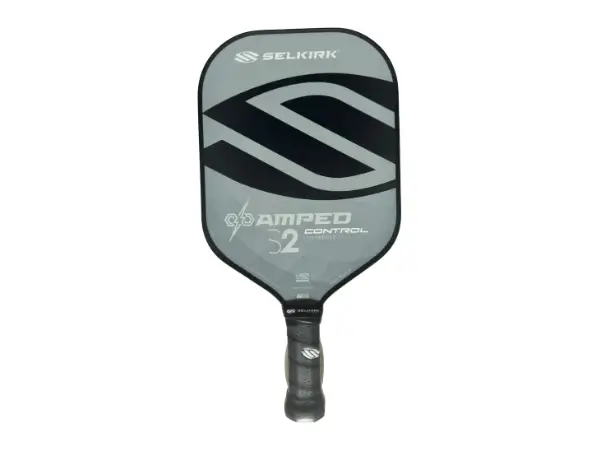
Quick Take
This one feels easy on the arm and very forgiving. Great touch paddle. Just know the short handle won’t click for everyone.
Key Specs
- Weight: 7.2-7.7 oz
- Core/Tech: 16mm X5 poly
- Face: FiberFlex face
- Handle/Grip: 4.65 in handle
- Size: 15.75 x 8 in
| ✅ Pros | ❌ Cons |
|---|---|
| Very forgiving | Short handle |
| Easy on the arm | Lacks put-away pop |
Best For
Players who want a wide, easy-hitting paddle for softer play, especially if they use one hand on the backhand.
Best Power Paddle for Seniors
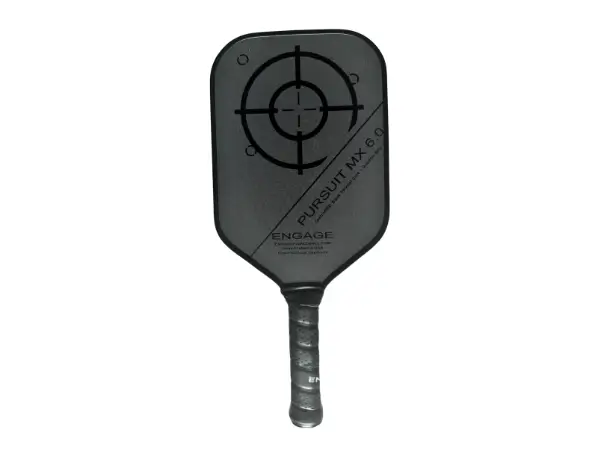
Quick Take
More pop, more put-away power, still enough touch to keep you out of trouble. Less forgiving if your control comes and goes.
Key Specs
- Weight: 8.0-8.4 oz
- Core/Tech: 16mm black core
- Face: Rough graphite
- Handle/Grip: 5.75 in handle
- Size: 16.5 x 7.5 in
| ✅ Pros | ❌ Cons |
|---|---|
| Strong put-away power | Can launch balls long |
| Good touch on blocks | Less forgiving up close |
Best For
Active seniors who still like to drive the ball, attack openings, and finish points instead of just resetting.
Best Control Paddle for Seniors
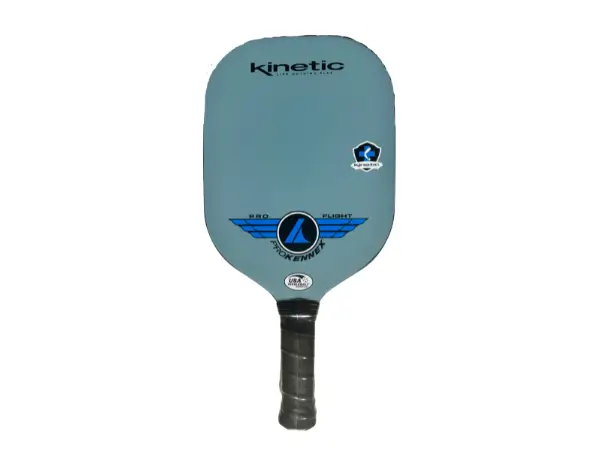
Quick Take
Super light and quick in hand. It shines when comfort matters most, but you’ll give up some easy depth and put-away weight.
Key Specs
- Weight: 7.3-7.6 oz
- Core/Tech: Cloud Cell + Kinetic
- Face: Carbon texture
- Handle/Grip: 5 in / 4 in grip
- Size: 15.5 x 7.6 in
| ✅ Pros | ❌ Cons |
|---|---|
| Very light in hand | Less free power |
| Fast at the net | Small grip runs thin |
Best For
Players dealing with elbow or joint issues, or anyone who wants the fastest, least tiring paddle in the group.
Best Spin Paddle for Seniors
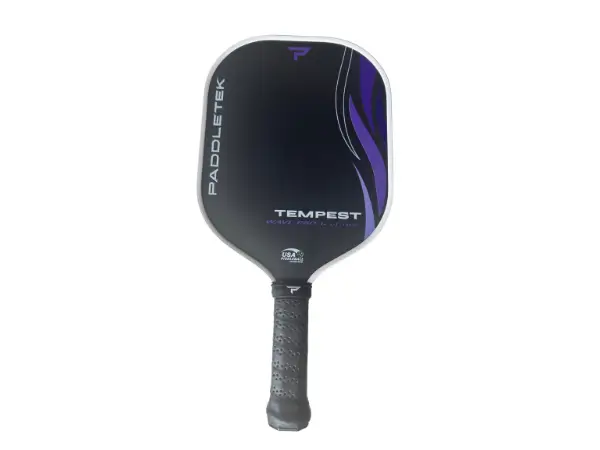
Quick Take
Balanced and easy to place. It adds shape to the ball without feeling wild, though it has a firmer response than plush control paddles.
Key Specs
- Weight: 7.8-8.2 oz
- Core/Tech: 14.3mm Tempest core
- Face: PT-700 carbon
- Handle/Grip: 5.25 in handle
- Size: 16 x 8 in
| ✅ Pros | ❌ Cons |
|---|---|
| Easy spin and placement | Less cushion on mishits |
| Quick, balanced feel | Surface may wear down |
Best For
Players who win with placement, angles, and spin, and want a paddle that stays quick without feeling flimsy.
Buying Guide
Weight Matters
For senior players, paddle weight is absolutely crucial. Aim for 7.5-8.5 oz to balance control with maneuverability. Lightweight paddles reduce fatigue and joint strain, letting you play multiple matches without discomfort. Don’t fall into the trap of thinking heavier is better—that 9 oz paddle might feel fine for two games, but by game three, your arm will be screaming.
Grip Sizing
A 4.125″-4.5″ grip provides the best blend of control and comfort for most seniors. If your grip feels small, add an overgrip to customize the size. A proper grip prevents unnecessary tension in your forearm and helps prevent tennis elbow. Test by seeing if you can fit your index finger between your palm and fingers when gripping—too tight or loose both cause problems.
Core Thickness
Thicker cores (14-16mm) offer more control and softer feel. They absorb ball impact better, reducing vibration that travels to your elbow and shoulder. This is essential for injury prevention and comfortable extended play. Think of it as built-in cushioning that protects your joints shot after shot.
Face Materials
Carbon fiber and fiberglass faces pair beautifully with polymer cores. They’re lightweight, durable, and provide excellent feedback without harsh vibration. Avoid wooden paddles—they’re simply too heavy and jarring for extended play. Modern materials have evolved specifically to meet players’ needs for comfort and performance.
Common Mistakes
Price Considerations
The most expensive paddle isn’t always the best for your needs. Focus on specifications that match your playing style and physical requirements. The Vatic Pro Prism proves this perfectly—championship performance at a fraction of premium paddle pricing.
Weight Distribution
Total weight matters, but so does balance. Head-heavy paddles provide more power but can strain your wrist over time. Even-balanced or slightly handle-heavy paddles offer better control and reduce fatigue during long playing sessions.
Demo First
If possible, try before you buy. Many retailers and fellow players are happy to let you test paddles. What feels good in your hand matters more than specifications on paper. Ask court friends if you can hit a few balls with their paddles—most players love talking equipment and are generous with demos.
Final Verdict
The Vatic Pro Prism V7 is the best paddle here for most seniors. It does the hardest thing well: it makes the game feel easier without boxing you into one style of play.
The other picks make more sense if you want extra power, a lighter feel, or more spin, but this is the safest all-around choice.
If you want one paddle and want to get it right, start here.
FAQs
What doubles positioning strategy works best for senior players?
Maintain “both up or both back” positioning—avoid split formations. Stay 6-8 feet apart laterally, moving as a unit. Target middle shots to create confusion. Communicate constantly on lobs. Prioritize court coverage over aggressive poaching—consistency wins at recreational levels more than highlight-reel athleticism.
What grip modifications help arthritic hands maintain control?
Add cushioned overgrips to increase circumference by 1/16 inch and provide tackiness. Build up to 4.375-4.5 inches for most seniors. Consider contoured grips that reduce pressure points. Avoid death-gripping—proper size lets you hold firmly without excessive tension that aggravates arthritis.
Should I use an elbow brace or compression sleeve?
Targeted compression below the elbow joint reduces tendon strain by 30-40 percent during play. Compression sleeves improve blood flow and provide broader arm support. Consider braces for active pain, sleeves for prevention. Neither replaces proper paddle selection—lightweight paddles remain your primary defense.
What warm-up routine prevents pickleball injuries for seniors?
Dedicate 5-10 minutes to dynamic stretches: arm circles, shoulder rotations, wrist flexions, torso twists, and leg swings. Include modified bird dogs for lower back and gentle lunges. Never skip warm-ups—cold muscles are 2-3 times more injury-prone in pickleball’s explosive movements.
How often should I clean my paddle’s surface?
Wipe your paddle face with a damp microfiber cloth after each session. Weekly, use a non-abrasive eraser for deeper cleaning. Raw carbon surfaces accumulate more debris and require frequent cleaning to maintain spin generation—dirt reduces texture effectiveness by 15-20 percent.
How does court surface type affect my joints and movement?
Acrylic-coated surfaces offer best consistency and moderate joint impact. Concrete courts are hardest on knees—30 percent more stress than cushioned surfaces.